


From knowledge to practice: the 31st TPM Advanced Course concludes
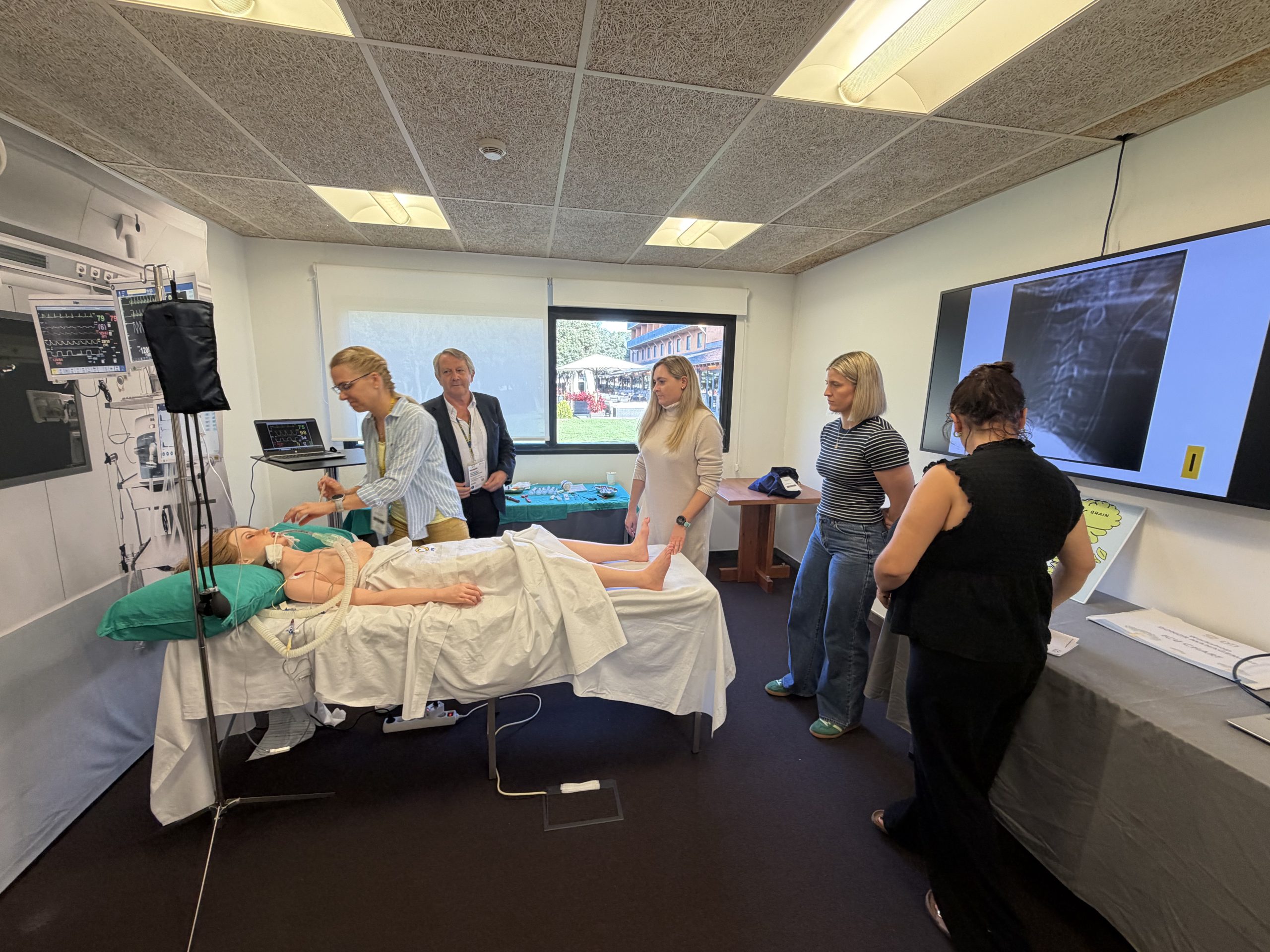
Simulation, teamwork and international exchange bring the different stages of the donation process into focus.
The 31st Transplant Procurement Management (TPM) Advanced International Training Course, organised by DTI Foundation, concludes today, 30 October 2026, in Barcelona, following five days of face-to-face training that began on 26 October.
Organ and tissue donation requires clinical decisions, communication with families and coordination between professionals to work together. The course takes this whole-process perspective, exploring how each stage connects with the next, from identifying a potential donor to organ and tissue recovery and preservation.
Learning to decide, communicate and coordinate
Theoretical sessions are combined with case discussions, simulations and small-group workshops. This approach brings the content into practical situations: assessing a donor, preparing for a conversation with their family or coordinating the work of the teams involved.
Ethical, legal and organisational considerations are integrated alongside clinical knowledge. The aim is to provide participants with tools to analyse situations and make decisions in their own professional settings.
Sharing experience across healthcare systems
Delivered in English as a residential programme, the course makes international exchange part of the learning process. Shared working and living spaces support discussions about different approaches to organising donation and the challenges teams face in their countries.
DTI contributes academic design and coordination, a practice-based teaching methodology and faculty with experience in donation and transplantation. Its role is to support professional learning, while participants will need to consider how to adapt that learning to their institutions’ resources, protocols and needs.
This year’s edition builds on previous TPM Advanced International Training Courses, with shared learning remaining central to the programme.
More information about the course.
DTI Foundation

DTI supports Oman in strengthening quality in organ donation
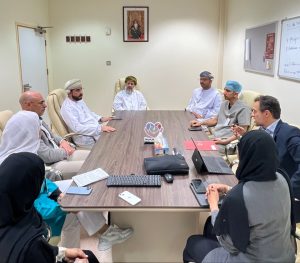
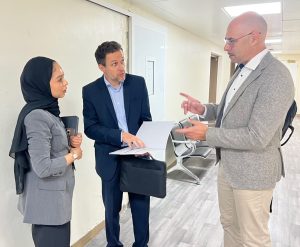
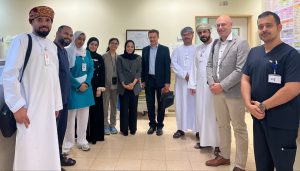
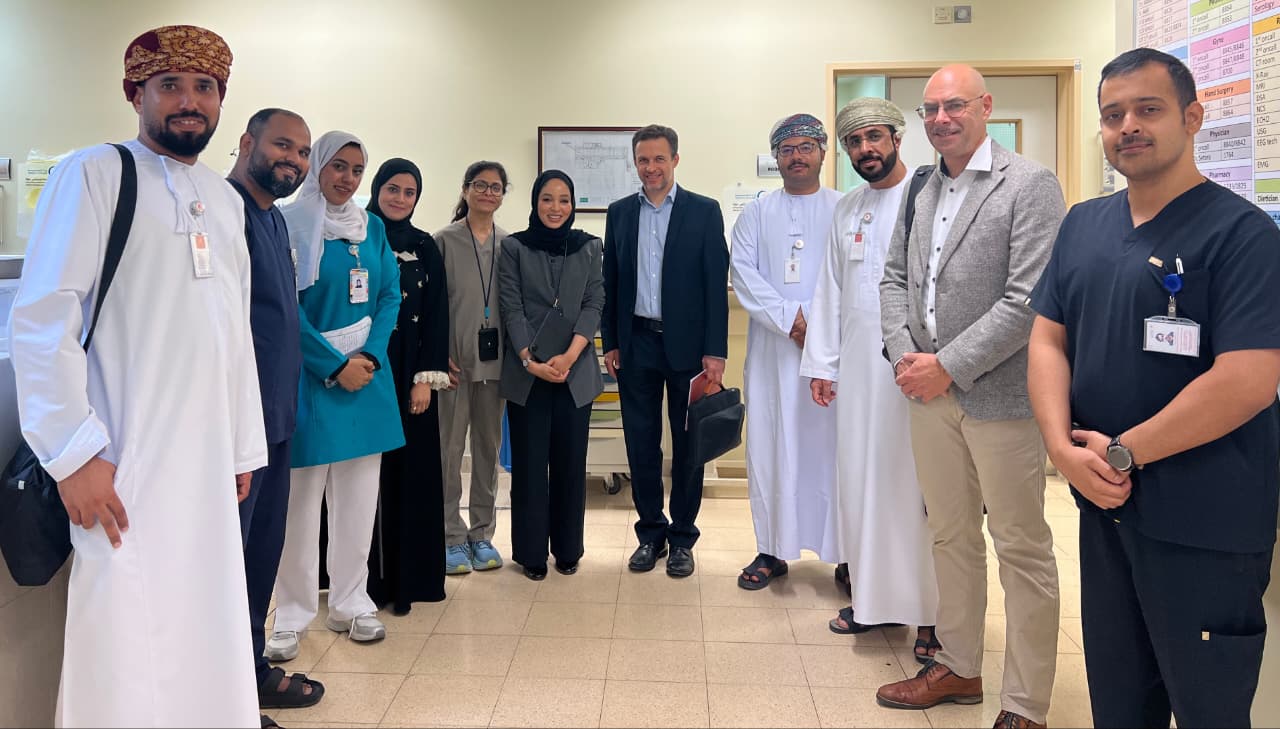
The October visit focuses on supporting hospitals and the Ministry of Health as they prepare the national quality programme, with routine indicator monitoring planned to begin in January 2027.
DTI Foundation has carried out a new working visit to Oman to support local teams in improving organ donation processes. Meetings and hospital visits provided an opportunity to discuss how donation is organised at each centre and what support professionals need to make evaluation and continuous improvement part of everyday practice.
The visit builds on a collaboration that began in 2023 with a system assessment and has since developed through stronger coordination, protocols and training. In 2026, the focus is on preparing the national quality framework. Online training delivered in May to hospitals participating in the donation programme was an initial step in this stage.
The October visit focused on each hospital’s experience: recognising what works, understanding challenges and identifying improvement priorities that local teams can take forward. The aim is to strengthen their capacity to review processes and address identified barriers, with support from national coordination.
Organ donation requires the involvement of the whole hospital. The sessions therefore highlighted the importance of connecting organ donation units and clinical services with hospital management and quality departments, clarifying responsibilities and supporting continuity throughout the pathway.
The programme includes five national indicators: timely referral of possible donors, brain death confirmation, unexpected cardiac arrest during the pathway, family consent, and education and awareness. Routine monitoring and internal case reviews are planned to become part of hospital practice from January 2027.
The purpose is to use data to inform decisions: identify where difficulties arise, agree on specific actions and assess their results. Through this collaboration, DTI supports Oman in developing a sustainable donation programme, with local teams leading its improvement.
DTI shares expertise to strengthen organ donation and transplantation in Vietnam
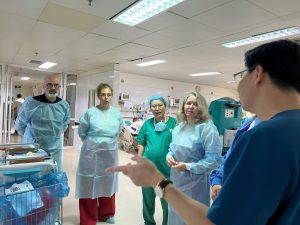
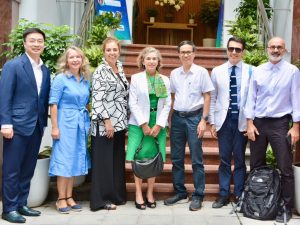
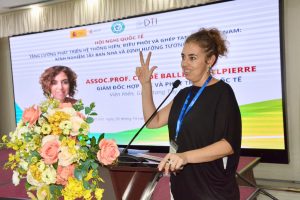
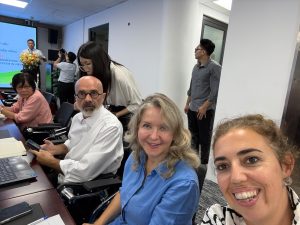
Funded by the Embassy of Spain in Vietnam and the Vietnam National Coordinating Center for Human Organ Transplantation (VNCC), the visit combines policy dialogue, education and exchanges with hospital teams.
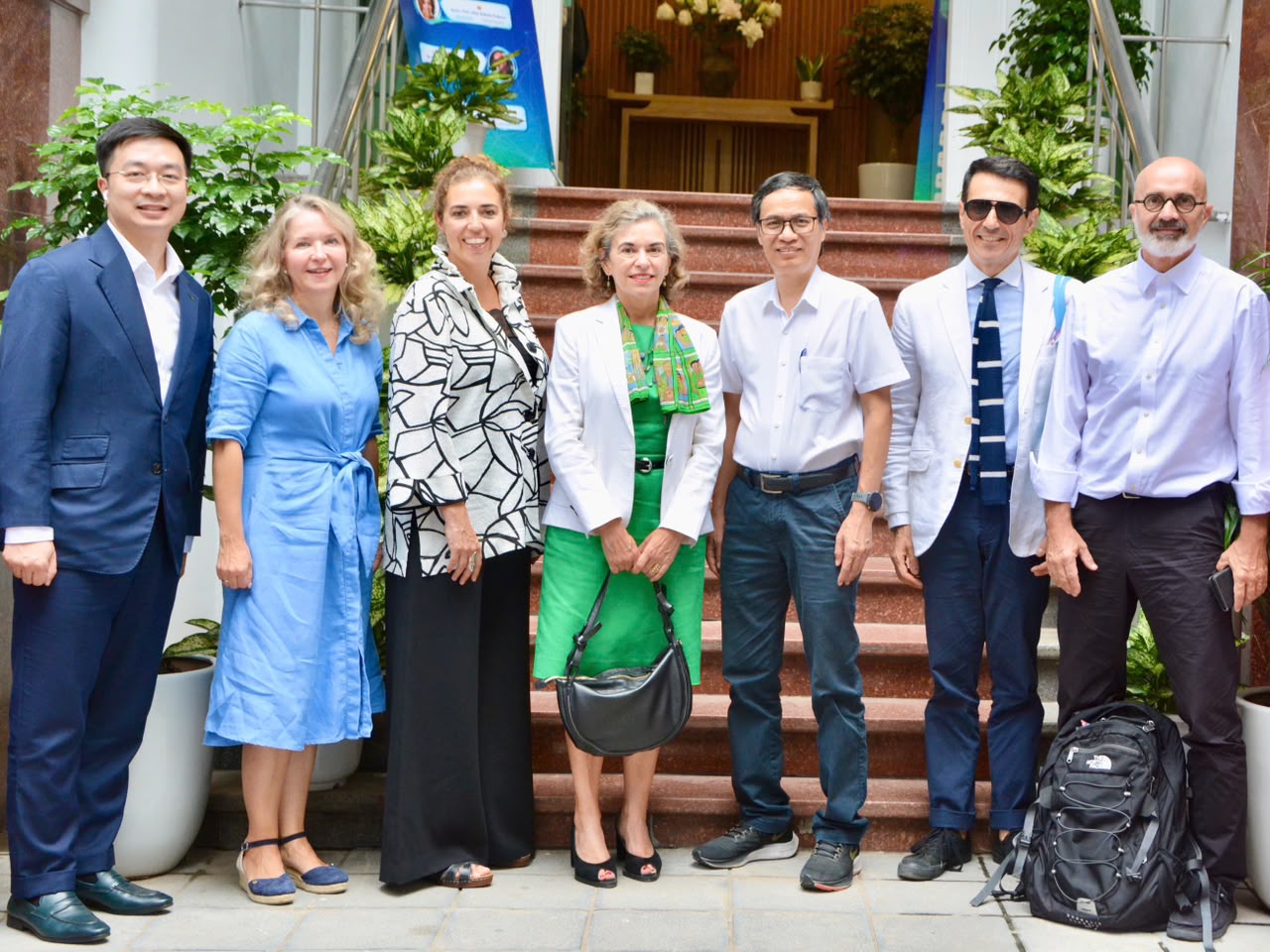
From 19 to 22 October 2026, DTI Foundation is participating in a cooperation visit to Hanoi and Quang Ninh focused on the development of Vietnam’s organ donation and transplantation system.
The delegation comprises Dr. Chloë Ballesté, Medical Director of DTI Foundation; Dr. Mario Chico, Head of the Trauma and Emergency ICU Section at Hospital Universitario 12 de Octubre; and Dr. Eva Flores, Intensive Care Specialist at Hospital Universitario La Paz, Madrid.
Connecting policy dialogue with hospital practice
The programme addresses essential components of a sustainable system: the legal framework, funding, national coordination and data management. These discussions are complemented by an international conference dedicated to sharing experience between Spanish and Vietnamese professionals.
Sessions focus on the organisation of hospital donation units, the role of intensive care teams, professional education and continuous quality improvement. The aim is to exchange knowledge and explore how it can be applied to Vietnam’s needs and context.
The agenda includes visits and working sessions at Viet Duc University Hospital, 108 Military Central Hospital and Bach Mai Hospital in Hanoi, as well as Bai Chay Hospital and Quang Ninh City General Hospital in Quang Ninh.
Exploring continued cooperation
The programme also includes a working session between VNCC and DTI to discuss a proposed three-year cooperation project, including its priorities, scope and next steps.
DTI Foundation thanks the Embassy of Spain in Vietnam and VNCC for funding this visit, with special recognition of H.E. Carmen Cano de Lasala, Ambassador of Spain to Vietnam, and Assoc. Prof. Dr. Dong Van He, Director of VNCC, for their support and commitment.
This exchange forms part of DTI’s work to support institutions and healthcare professionals in developing donation and transplantation systems adapted to local contexts, with the goal of improving patients’ access to transplantation.
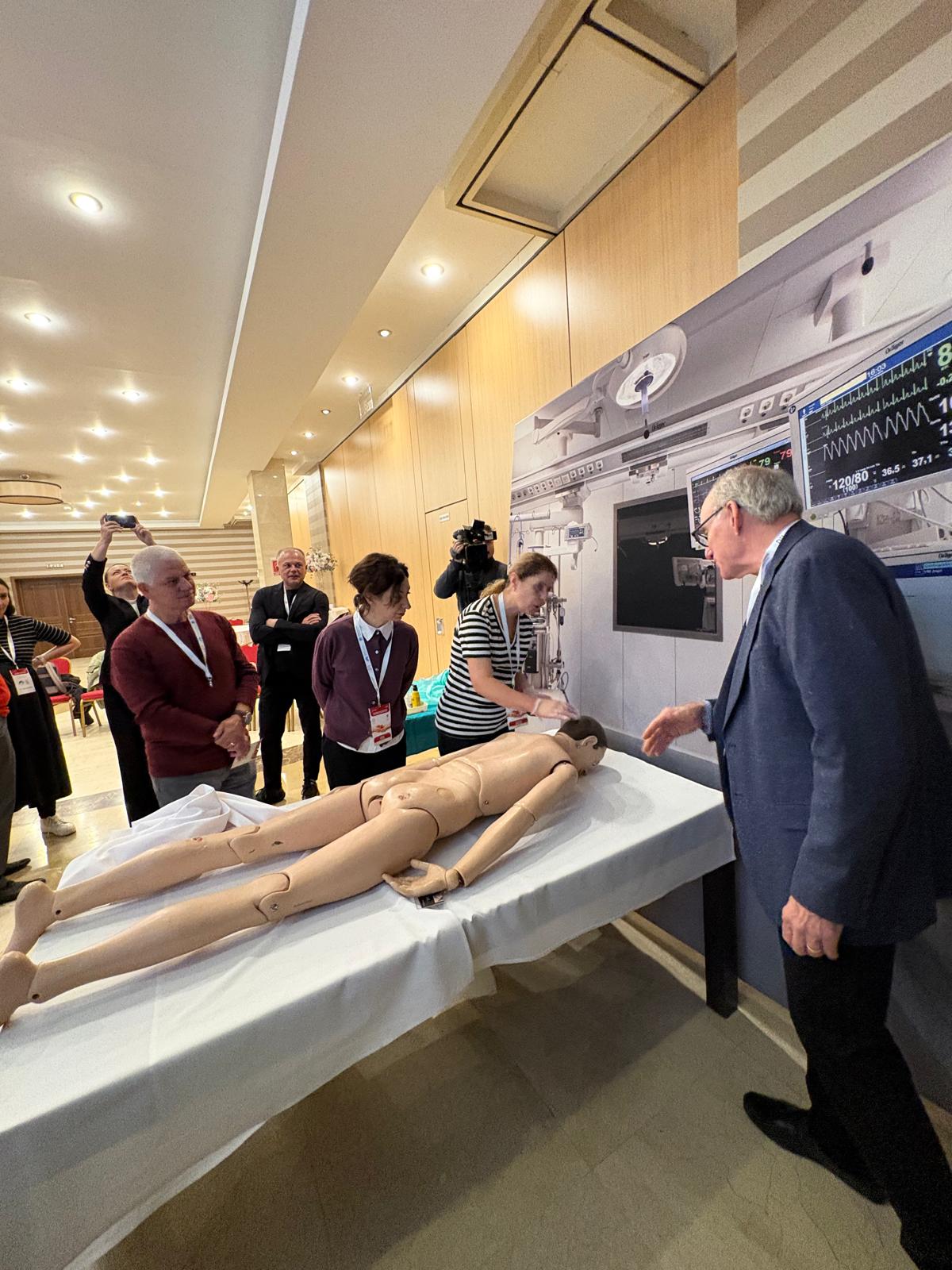
DTI and Romania’s National Transplant Agency organise a TPM course on tissue donation
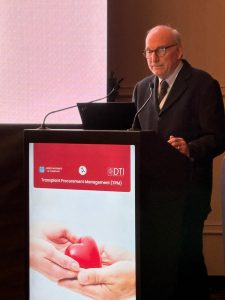
The training took place as the pre-congress course of RomTransplant, bringing together healthcare professionals and DTI experts to share knowledge and experience in tissue donation.
DTI Foundation, together with Romania’s National Transplant Agency, organised a TPM course dedicated to tissue donation within the framework of the RomTransplant congress. The initiative reflects DTI’s commitment to supporting donation and transplantation programmes through professional training and international cooperation.
The course was coordinated by Carmen Blanco, DTI’s Head of Training, and featured contributions from experts Scott Brubaker, Nuria Masnou, Andrés Savío and Sandra Saavedra as DTI faculty. Dr Martí Manyalich joined online to deliver the introductory session.
The training offered a space for learning and exchanging experiences, connecting professionals around a shared goal: strengthening tissue donation. Bringing together different perspectives and expertise is an essential part of DTI’s educational approach, supporting professionals in their daily practice.
DTI would like to thank the expert faculty for their dedication and contributions, Romania’s National Transplant Agency and the RomTransplant team for their collaboration, and all participants for their engagement.
Through initiatives such as this course, DTI continues to promote education and knowledge exchange as foundations for the development of donation and transplantation programmes.
DTI takes part in European donation meetings in Cyprus
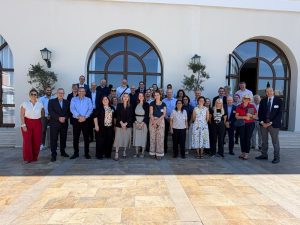
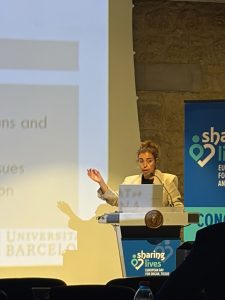
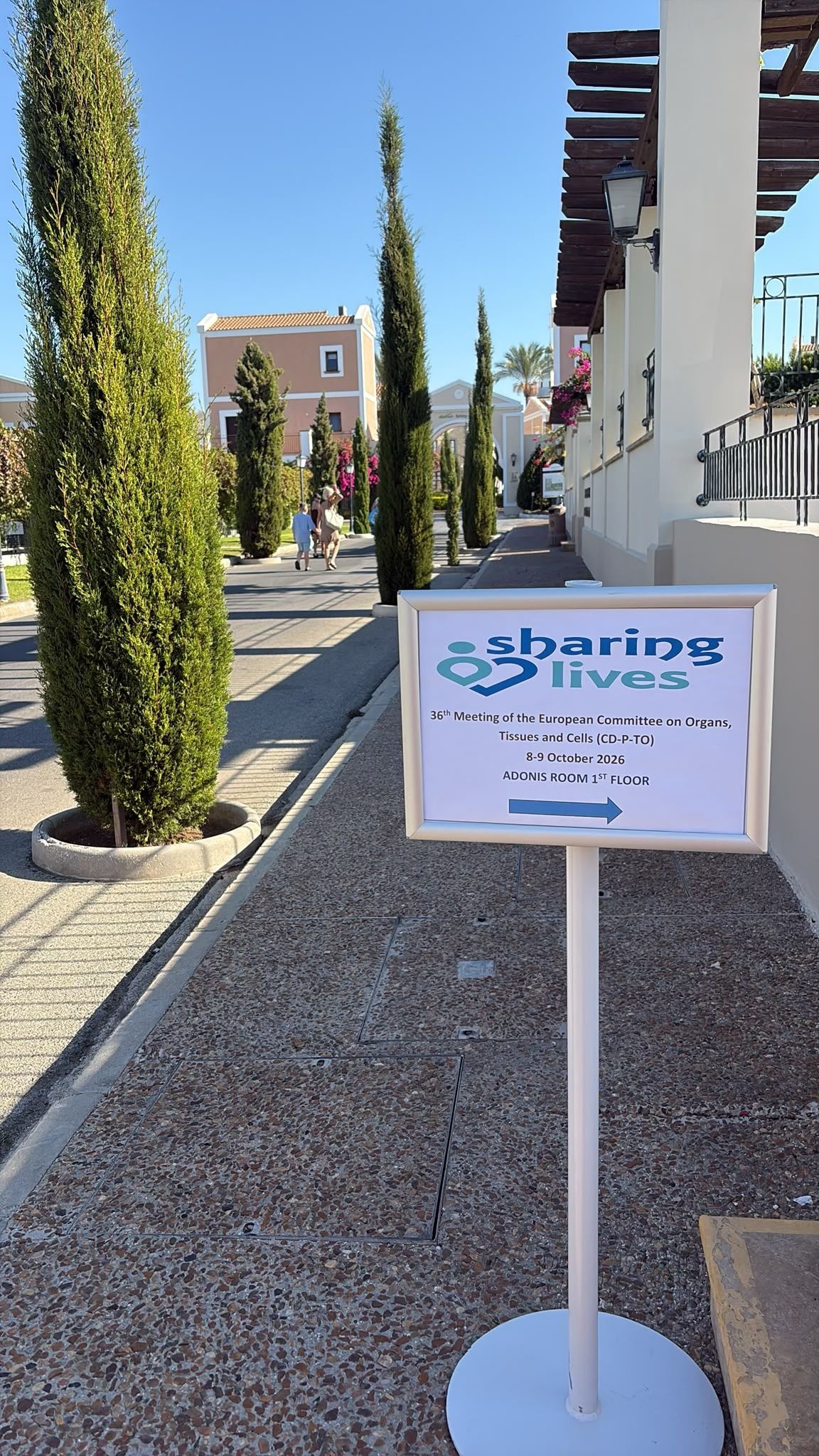
DTI Foundation was represented at the 36th Meeting of the CD-P-TO and the 20th European Day for Organ, Tissue and Cell Donation, held in Pafos, Cyprus. Both events brought together members of the scientific and medical community to share knowledge and experiences in donation and transplantation.
Taking part in these meetings provides opportunities to exchange perspectives on donation and transplantation practice and strengthen collaboration between professionals and institutions across countries. For DTI, this exchange supports its mission to help improve donation and transplantation systems through training and international cooperation.
It was particularly meaningful to reconnect with Christalla Despoti, a colleague who has played a key role in the development of organ donation in Cyprus. Her work highlights the importance of the professionals who drive these programmes in their own countries.
DTI thanks Dr. Andrea P. Soloukiades and the organising team for the opportunity to come together with professionals committed to advancing donation and transplantation.
Through this participation, the Foundation reaffirms its commitment to sharing good practices and working together to improve opportunities for patients who need a transplant.
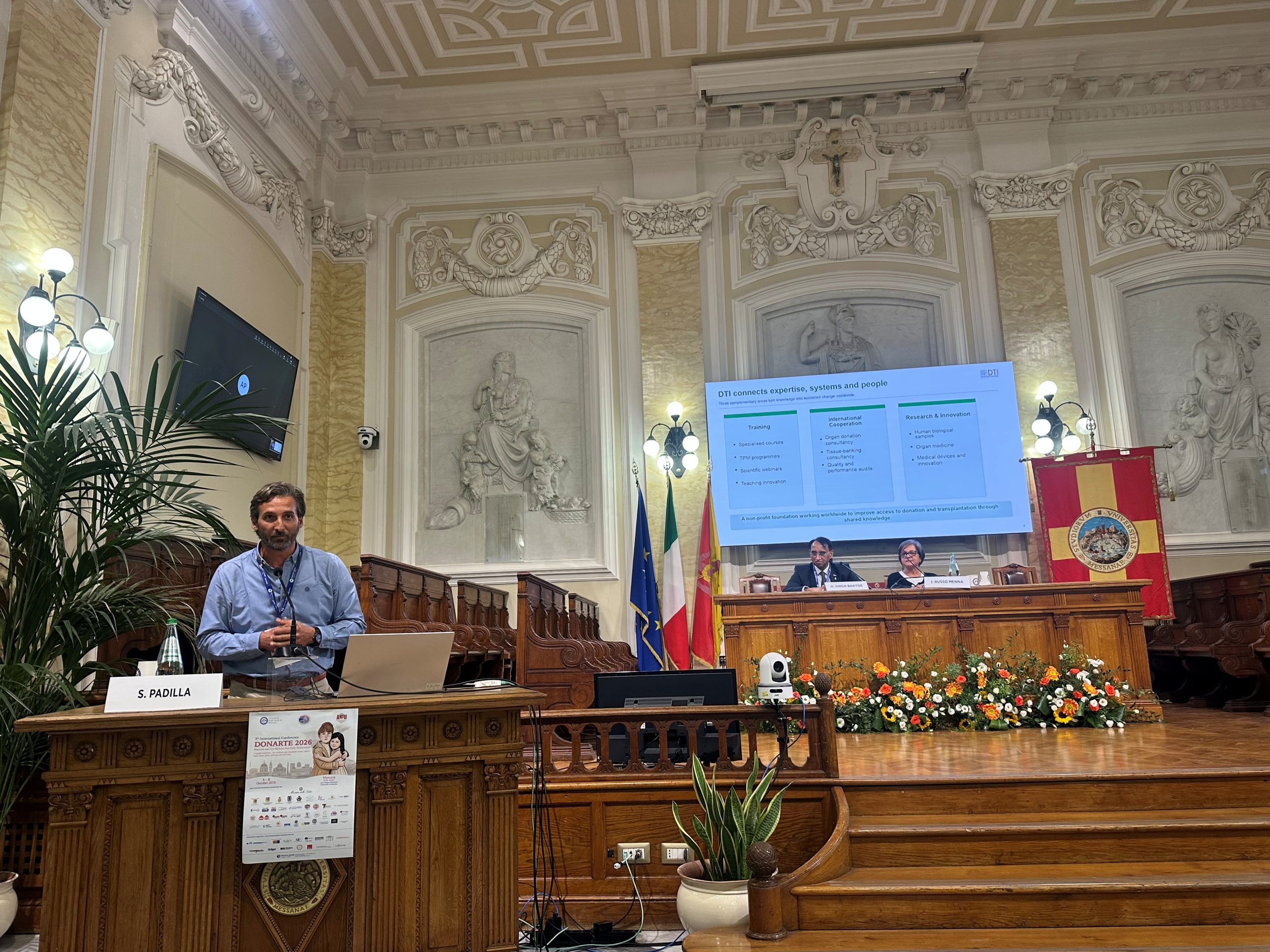
DTI presents its work at DONARTE 2026
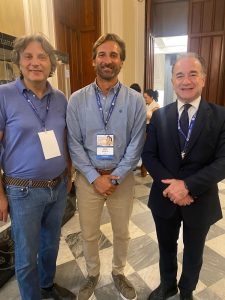
DTI Foundation took part in DONARTE 2026, held in Messina, Italy, where Sergi Padilla Bartolomé presented the organisation’s work in training, international cooperation, and research and innovation in organ donation and transplantation.
The event provided an opportunity to introduce these areas of activity and share DTI’s approach: connecting knowledge, institutions and professionals to help improve donation and transplantation systems worldwide.
The presentation raised a question central to the Foundation’s mission: how can shared knowledge create better opportunities for organ donation and transplantation? This question reflects DTI’s work in professional training and institutional support, alongside its research and innovation activities.
DONARTE 2026 offered a forum to present this work and exchange perspectives with other professionals. The Foundation thanks the organisers for the invitation and the opportunity to contribute its experience to the event.
DTI continues to work towards translating knowledge exchange into practical capabilities that help teams and institutions improve their donation and transplantation programmes, with patients at the heart of this effort.
European Donation Day: the generosity that gives life, the commitment that makes it possible
To mark 10 October, DTI Foundation recognises donors, their families and healthcare professionals, and highlights training and cooperation as foundations for improving donation and transplantation.
People are at the heart of every donation process: someone who chooses to help, a family whose experience deserves respect, and a team of professionals entrusted with a significant responsibility. European Day for Organ, Tissue and Cell Donation is an opportunity to recognise them and renew our commitment to those waiting for a treatment opportunity.
Led by the Council of Europe through the European Directorate for the Quality of Medicines & HealthCare (EDQM), the day takes place on the second Saturday of October, falling on 10 October in 2026. This year, Cyprus hosts the celebrations from 8 to 10 October under the slogan ‘Sharing lives’.
The day promotes voluntary, non-remunerated donation. For DTI, this principle must underpin every effort to improve donation and transplantation systems: respect for people and public trust are central to our mission.
Generosity needs well-prepared systems
At DTI Foundation, we work to improve donation and transplantation worldwide through professional training, consultancy and international cooperation. Our commitment is to help turn knowledge into practice and support teams and institutions as they develop their programmes.
Training a professional, sharing experience across countries or helping a hospital improve its organisation serves a common purpose: creating the conditions for donation to translate into treatment opportunities. This work requires continuity, collaboration and sustained attention to quality.
This date therefore invites us to look beyond a single awareness day. Recognising donors and their families means sustaining our commitment throughout the year. Thanking professionals means supporting their training and their ability to work together.
A conversation worth making time for
Awareness begins close to home: seeking reliable information, asking questions and talking to loved ones about our wishes regarding donation. At DTI, we encourage informed and respectful conversations.
On European Donation Day, we thank those who donate, those who support them and those who work to make donation possible. Our commitment is to keep training professionals, sharing knowledge and building cooperation.
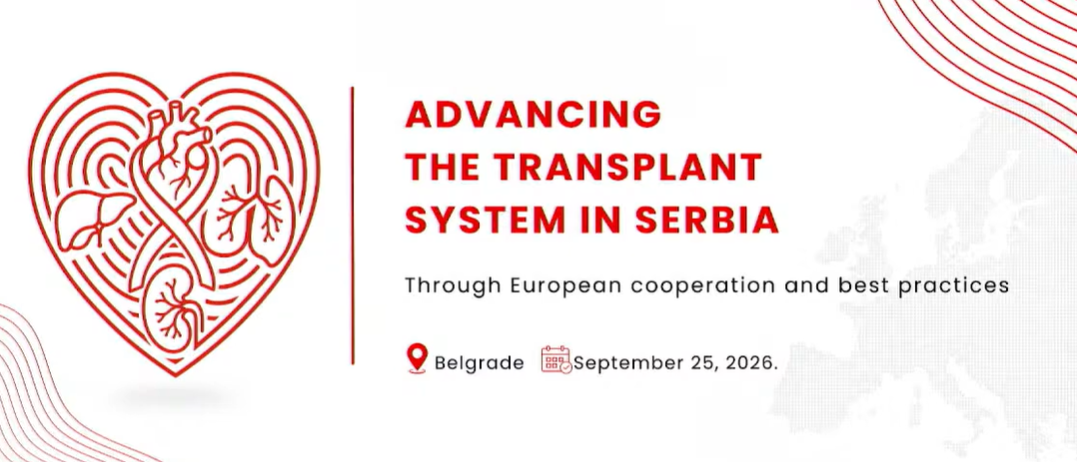
DTI contributes to dialogue on strengthening organ donation and transplantation in Serbia
Dr Brian Alvarez joined a conference in Belgrade bringing together patients, healthcare professionals and Ministry representatives to discuss priorities for the country’s transplantation system.
Collaboration between patients, healthcare teams and institutions was at the heart of a conference held in Belgrade on 25 September by the patient association Donorstvo je herojstvo (“Organ Donation is an Act of Heroism”). Dr Brian Alvarez, organ donation expert at DTI Foundation, took part in the event, which focused on improving Serbia’s organ donation and transplantation system.
The conference provided an opportunity to consider the country’s priorities alongside European experience and good practices. Discussions addressed donor hospital organisation, the legal and strategic frameworks supporting donation and transplantation, and psychological support for patients and families.
The exchange highlighted the importance of including patients’ voices in the development of the system. Their needs and experiences, combined with professional expertise and institutional involvement, offer complementary perspectives to guide improvements.
DTI Foundation thanks the organising association for the invitation and the opportunity to contribute to this dialogue.
Watch the full conference in English.
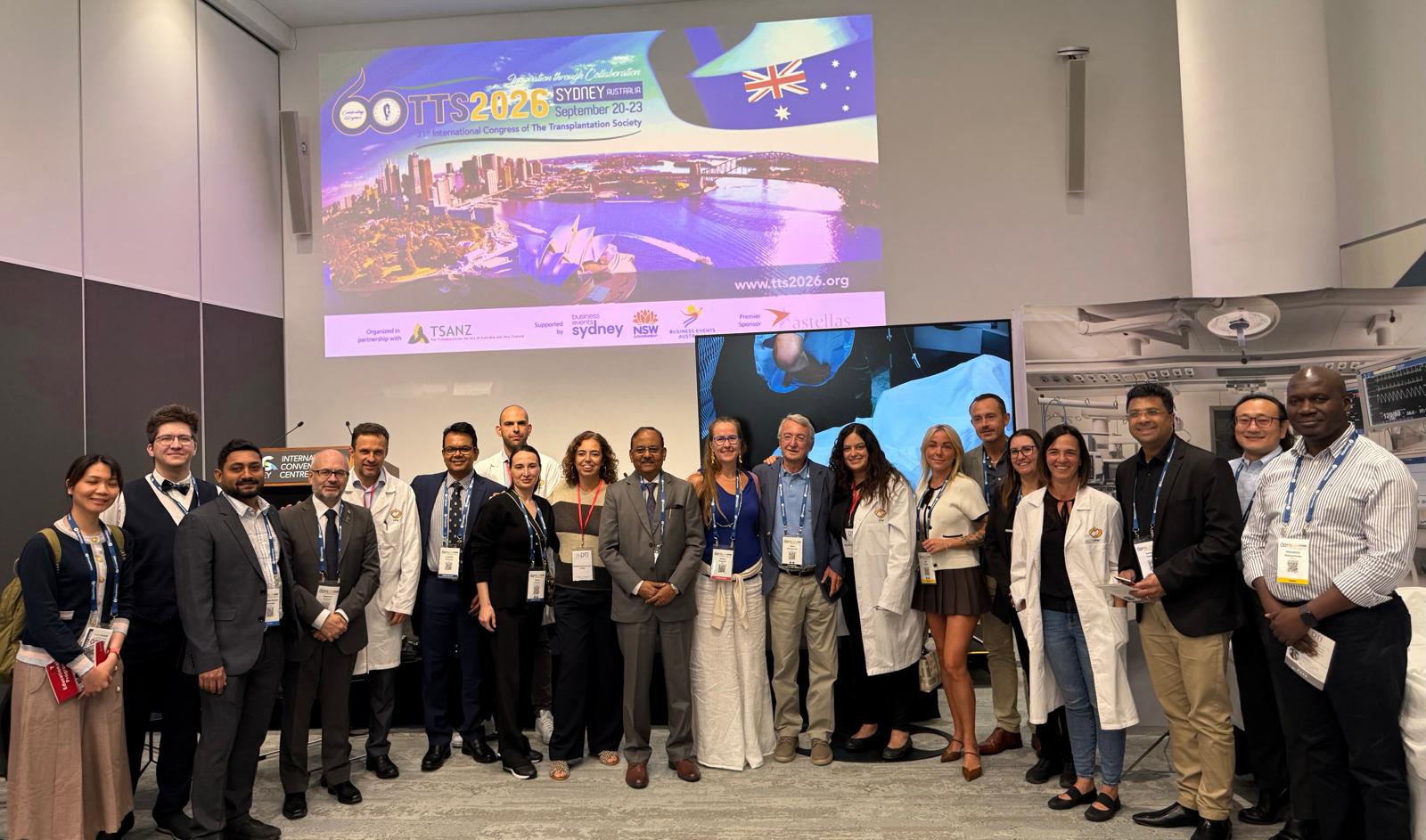
DTI Foundation at TTS 2026: advancing DCD through knowledge and international collaboration
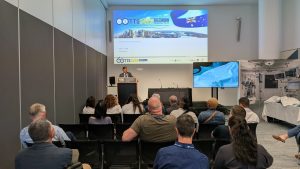
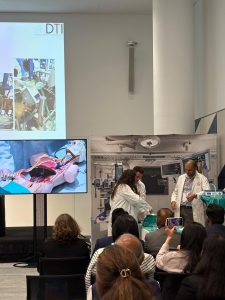
DTI Foundation participated in the 31st International Congress of The Transplantation Society, TTS 2026, held in Sydney, Australia, contributing to an international workshop dedicated to one of the most dynamic areas in contemporary organ donation: donation after circulatory death, DCD.
The workshop, “How to Do Controlled and Uncontrolled DCD in the World”, brought together professionals with different backgrounds and experience to examine the clinical, organisational and ethical elements required to establish and develop DCD programmes.
Translating knowledge into clinical practice
DCD has become an increasingly important component of deceased organ donation worldwide and offers significant potential to expand the donor pool. Its successful implementation, however, requires coordinated action across multiple areas of the healthcare system.
Throughout the workshop, faculty and participants discussed key elements including death determination, end-of-life care, donor identification and management, controlled and uncontrolled DCD pathways, normothermic regional perfusion, organ recovery and multidisciplinary coordination.
The practical nature of the programme allowed participants to move beyond theoretical principles and explore how different approaches can be adapted to specific healthcare environments.
Developing sustainable DCD programmes requires close collaboration between intensive care physicians, transplant coordinators, emergency medicine teams, anaesthesiologists, surgeons, perfusion specialists and other professionals involved throughout the donation pathway. Training and multidisciplinary preparation therefore remain essential to safe and effective implementation.
International exchange beyond the scientific programme
For DTI Foundation, participation in TTS 2026 was also an opportunity to exchange experiences with professionals working in donation and transplantation systems around the world.
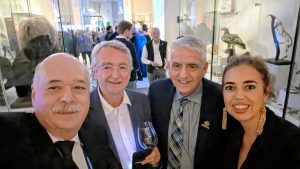
Sydney offered the chance to reconnect with long-standing colleagues and friends, reinforce established collaborations and establish new professional relationships, creating further opportunities for knowledge exchange and future cooperation.
We would like to thank The Transplantation Society and the TTS 2026 organising team for their warm welcome, professionalism and hospitality, as well as all faculty members and participants whose expertise and engagement made the workshop possible.
Events such as TTS reinforce a principle that has always been central to DTI Foundation's work: progress in donation and transplantation depends not only on scientific and technological advances, but also on education, collaboration and the international exchange of experience.
Global transplantation reaches a record high, but major inequalities persist
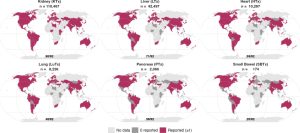
The latest GODT report records 173,727 solid organ transplants worldwide and highlights the continued expansion of DCD
Global solid organ transplantation reached its highest level ever reported to the Global Observatory on Donation and Transplantation (GODT) in 2024.
According to the 2024 GODT report, published in Transplantation in 2026, 173,727 solid organ transplants were performed worldwide, representing a 2% increase compared with 2023. Data were submitted by 92 countries.
Kidney transplantation continued to represent the largest proportion of global activity, with 110,467 procedures, followed by 42,497 liver transplants, 10,287 heart transplants and 8,236 lung transplants.
DCD continues to expand
One of the most significant developments is the continuing growth of donation after circulatory determination of death (DCD).
A total of 47,180 actual deceased donors were reported worldwide in 2024. DCD accounted for 28% of deceased donation activity, demonstrating its increasingly important contribution to organ availability.
Developing DCD programmes can contribute to expanding the donor pool, but implementation requires much more than introducing a new clinical protocol. Appropriate legal and ethical frameworks, trained intensive care and donation professionals, clearly defined pathways, hospital coordination, quality assurance and public confidence are essential.
Demand continues to exceed supply
Despite record transplantation activity, global organ availability remains insufficient.
Across the countries reporting waiting-list information, 668,160 patients were reported as waitlisted during 2024, and 31,853 deaths while waiting were recorded. These figures still do not represent the full global burden of organ failure, as many patients live in countries where transplantation services or formal waiting-list systems remain limited or unavailable.
The report therefore illustrates two realities.
On the one hand, transplantation activity continues to grow and strategies such as DCD are enabling more donated organs to be used. On the other, substantial geographical disparities and unmet patient needs persist.
Global progress will require more than increasing the absolute number of transplants. Sustainable national systems must be capable of identifying potential donors, managing donation pathways effectively, training specialised professionals, ensuring ethical and equitable allocation, collecting reliable data and providing lifelong care to transplant recipients.
The latest GODT figures are therefore not only a measure of transplant activity. They also provide an important benchmark for understanding where global donation and transplantation systems are progressing and where further investment and international cooperation are most needed.
Source: Martin F, et al. Organ Donation and Transplantation Worldwide: The Global Observatory on Donation and Transplantation 2024 Report. Transplantation. 2026.