


DTI Foundation launches EU-funded project to build a sustainable organ donation and transplantation system in Guyana
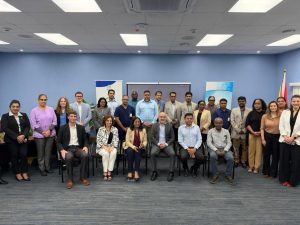
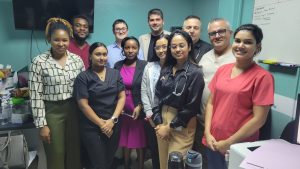
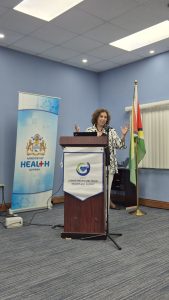
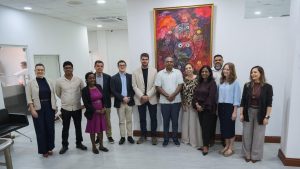
DTI Foundation has officially launched the EU-funded project “Building a Sustainable Organ Donation and Transplantation Program in Guyana”, a 31-month initiative under the EU Global Gateway and implemented as part of the Guyana HealthNext: Training, Research and Development programme, coordinated by Expertise France.
Led by DTI Foundation, in close partnership with the Ministry of Health of Guyana, the Guyana Human Organ and Tissue Transplant Agency (HOATTA), Georgetown Public Hospital Corporation (GPHC), Instituto de Imunogenética (IGEN), Brazil, and Hospital do Rim, São Paulo, Brazil, the project aims to strengthen Guyana’s national capacity in organ donation and transplantation and respond to the growing burden of chronic kidney disease and end-stage renal disease.
The project will run from April 2026 to October 2028. Its general objective is to contribute to reducing mortality and morbidity related to end-stage organ failure in Guyana by supporting the establishment of a resilient, equitable and ethically sound national organ donation and transplantation system, aligned with international standards and integrated into the public health framework.
Strengthening the full transplantation pathway
Guyana faces a growing burden of chronic kidney disease, CKD, and end-stage renal disease, ESRD, with limited access to transplantation services and a health system historically dependent on dialysis and external referral.
In response to this challenge, the project adopts a system-strengthening approach across the full transplantation pathway. This includes prevention, early detection and clinical management of CKD and ESRD, structured and transparent transplant referral and waiting-list mechanisms, reliable histocompatibility laboratory diagnostics, ethical and regulated organ donation systems, safe surgical and post-transplant clinical capacity, and governance, quality management and data systems to ensure sustainability.
The specific objective of the project is to develop a sustainable and comprehensive national transplantation programme by improving living kidney transplantation and developing deceased organ donation in Guyana. This requires strengthening institutional, clinical and regulatory capacities across all stages of the transplantation pathway, from the management of kidney disease to organ donation, laboratory support and transplant surgery.
DTI Foundation as Implementing Leader
As Implementing Leader, DTI Foundation holds overall responsibility for project coordination and implementation. This includes scientific and methodological leadership, quality assurance, monitoring and reporting to Expertise France.
National ownership and institutional leadership are provided by the Ministry of Health of Guyana and HOATTA, which play a central role in policy validation, regulatory oversight, institutional integration, local coordination, registries, quality management systems, awareness activities, logistics and sustainability planning.
The project also includes specialised technical partners. Instituto de Imunogenética (IGEN), Brazil, acts as reference laboratory partner for histocompatibility and transplant immunology, supporting diagnostic assessment, training, validation, quality assurance and sustainability of the national HLA laboratory.
Hospital do Rim, São Paulo, Brazil, contributes as a reference transplant centre, providing specialised clinical training, fellowships, observerships and mentoring in kidney transplantation and post-transplant care.
Six interrelated work packages
The project activities are organised into six interrelated work packages that together form a single integrated transplantation system.
WP1, Project Management and Quality, ensures coordination, planning, monitoring, risk management, quality assurance and reporting throughout the project lifecycle.
WP2, Fully Operational HLA Laboratory, focuses on establishing, validating and quality-controlling a national histocompatibility laboratory. This laboratory will provide the diagnostic foundation required for kidney transplantation from both living and deceased donors.
WP3, Nephrology and ESRD Management, strengthens prevention, early detection, referral pathways, transplant eligibility assessment, transplant waiting-list implementation and multidisciplinary clinical protocols.
WP4, Deceased Organ Donation, develops institutional, organisational and clinical capacity for deceased organ donation, including hospital-based processes, professional training and mentoring.
WP5, Kidney Transplantation, builds national capacity for living and deceased donor kidney transplantation, including surgical training, post-transplant care and continuous clinical mentoring.
WP6, National Governance, Strategic Planning and Regional Cooperation, operates transversally across the project. It ensures that laboratory, clinical, donation and transplantation activities are embedded within coherent governance frameworks and supports national strategic planning, registry development, quality management systems, structured regional cooperation and awareness activities.
Kick-off mission in Georgetown
The kick-off mission took place from 1 to 5 June 2026 in Georgetown, Guyana. It began with a formal opening meeting at the Ministry of Health, bringing together national authorities, clinical specialists and international partners to align on the project’s objectives and define a shared strategic direction.
The opening session included institutional remarks from HOATTA, DTI Foundation, the European Union Delegation and Expertise France. It also included presentations on the current status of the organ donation and transplantation system in Guyana, previous activities implemented in the country, the Guyana HealthNext programme, the strategic context of the national donation and transplantation system, and the overall project framework.
Throughout the week, DTI Foundation’s team of experts worked across three parallel technical workstreams.
The HLA Assessment Team, composed of Eduard Palou, together with Renata Fantini Machado and Gisele Fabianne Rampim from Instituto de Imunogenética (IGEN), Brazil, assessed the national HLA laboratory at NPHRL. The team reviewed infrastructure, equipment, human resources, training needs and quality systems to define a roadmap towards a fully operational laboratory.
The Nephrology, Donation and Transplantation Team, composed of Brian Álvarez and Pedro Ventura, conducted a clinical needs assessment across GPHC and regional hospitals. The team engaged with clinical and administrative teams to evaluate the full transplant pathway, from CKD diagnosis and management to living donor programme expansion and readiness for deceased donor kidney transplantation.
The Governance and Regional Coordination Team, composed of Chloë Ballesté and Ola Rudak, held strategic meetings with the Ministry of Health, HOATTA, Expertise France, PAHO, CARICOM and the national communication team to align governance, implementation arrangements and opportunities for regional cooperation across the Caribbean.
Findings, recommendations and next steps
The closing session brought together national and international stakeholders, with each expert team presenting the conclusions from its respective technical workstream. These conclusions covered agreed priorities and next steps across HLA laboratory development, nephrology and transplantation, governance and regional coordination.
The DTI Foundation team also met with the Hon. Dr. Frank Anthony, Minister of Health of Guyana, to share the main conclusions of the technical work and ensure alignment with national health priorities and the Ministry’s vision for the development of organ donation and transplantation in the country.
“This project represents a transformative opportunity for Guyana’s health system,” said Dr. Chloë Ballesté, Project Director, DTI Foundation.
“The initiative of the Ministry of Health will improve the lives of Guyanese and beyond in the Caribbean region; partnering with a world transplant leader as DTI represents a unique opportunity to merge Guyanese and EU global priorities,” said Mr. Nadal, First Counsellor and Head of Cooperation of the European Union Delegation to Guyana.
Expected results and long-term impact
By the end of the project, Guyana is expected to have a fully operational and sustainable national HLA laboratory integrated into the transplantation pathway.
The project is also expected to strengthen nephrology and ESRD management, including functional referral pathways and a national kidney transplant waiting list; establish institutional and clinical capacity for deceased organ donation in selected hospitals; improve national capacity for living and deceased donor kidney transplantation, including post-transplant follow-up; and strengthen governance, monitoring and quality management systems supported by national registries and a strategic framework for long-term sustainability.
Beyond its national impact, the project has the potential to support Guyana’s role in regional cooperation on organ donation and transplantation in the Caribbean, contributing to knowledge sharing, capacity building and the development of ethical, sustainable and quality-based transplantation systems.
DTI Foundation leaves Georgetown with a solid technical baseline, agreed priorities and a clear implementation roadmap. The project now moves into its implementation phase, with a strong commitment from all partners to support the development of a sustainable national organ donation and transplantation system in Guyana.



National Organ and Tissue Donation Day in Spain: Celebrating the Gift of Life

Every year on the first Wednesday of June, Spain commemorates National Organ and Tissue Donation Day, a moment to recognize the extraordinary generosity of organ and tissue donors, their families, healthcare professionals and all those who contribute to making transplantation possible. The day also serves as an opportunity to raise awareness about the ongoing need for organ and tissue donation and to encourage conversations that can ultimately save lives.
Organ transplantation remains one of the most remarkable achievements of modern medicine, offering a second chance at life to patients facing severe organ failure and other life-threatening conditions. Yet despite decades of progress, the need for transplants continues to far exceed the availability of donated organs. Globally, more than one million people require an organ transplant each year. However, current donation rates meet less than 10% of this demand, leaving hundreds of thousands of patients waiting for a life-saving opportunity.
At the Donation and Transplantation Institute (DTI Foundation), addressing this global challenge is at the heart of our mission. Through education, capacity building, international cooperation and system strengthening initiatives, DTI works alongside healthcare institutions and governments around the world to improve donation and transplantation programs. Our goal is ambitious but essential: to help achieve one million transplants performed worldwide each year, ensuring that no patient misses the chance for a transplant due to a lack of resources, training or organizational capacity.
Spain continues to serve as a global example in this field. According to the International Registry in Organ Donation and Transplantation (IRODaT), Spain once again recorded the highest rate of organ donation from deceased donors in 2025. This achievement reflects decades of commitment, collaboration and public trust in the donation system. It also demonstrates what can be accomplished when healthcare professionals, institutions, policymakers and communities work together toward a common goal: saving lives through donation.
On this National Organ and Tissue Donation Day, DTI Foundation celebrates everyone who makes transplantation possible while also recognizing the work that remains ahead. Every conversation about donation, every family discussion and every decision to register as a donor has the potential to transform lives. Today, we encourage everyone to learn more about organ and tissue donation, speak with their loved ones about their wishes and join the donor community. Because giving life is one of the most courageous and generous acts a person can make. ❤️
Together, we can help create a future where every patient in need has access to the life-saving transplant they deserve.
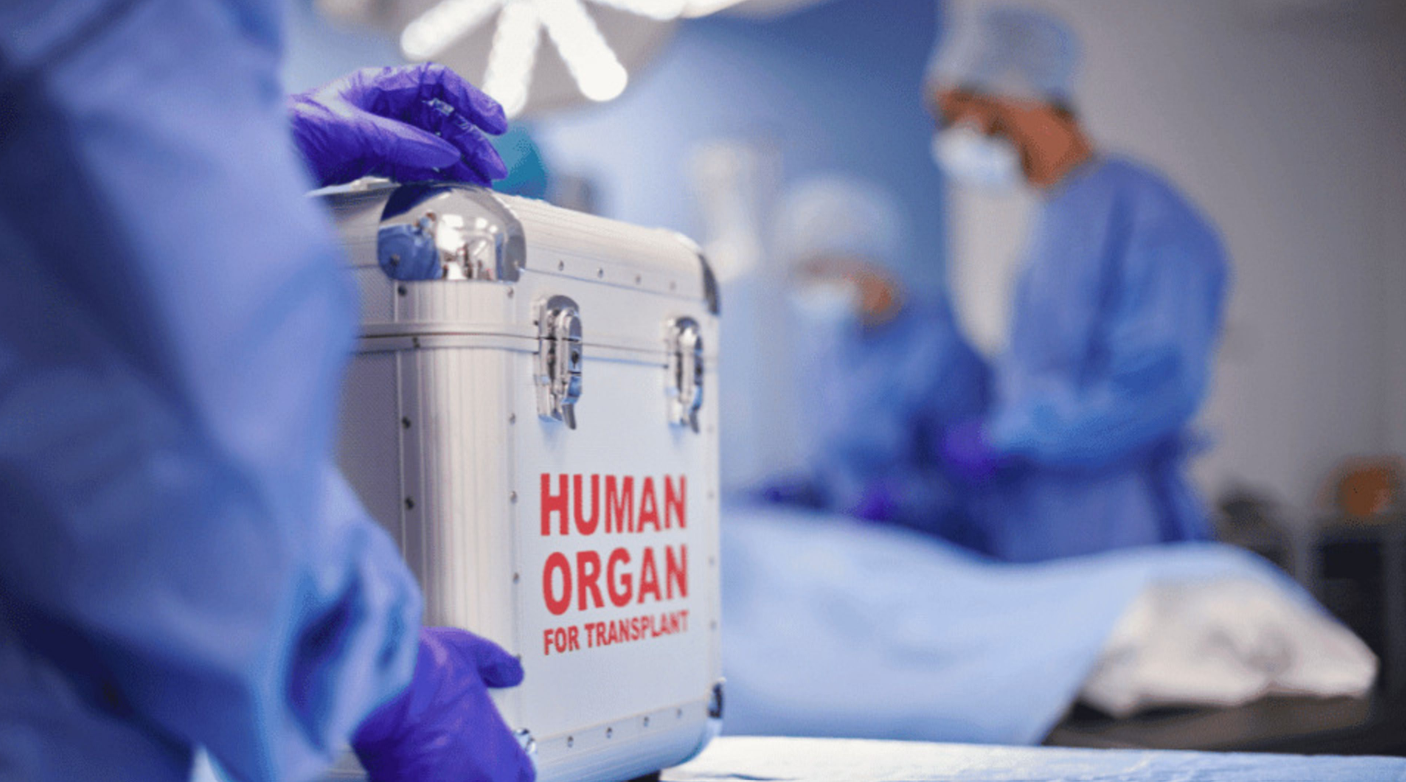
Andorra Takes a Historic Step Forward in Organ and Tissue Donation
DTI Foundation has supported Hospital Nostra Senyora de Meritxell in a process that grants Andorran citizens a new right: the effective right to be a donor.
Andorra has reached an important milestone in the development of its healthcare system. For the first time, the country has trained professionals and established clinical protocols that make organ and tissue donation possible within its own borders.
This achievement goes beyond a technical or organizational advancement. It represents a significant step towards guaranteeing that every citizen can exercise the right to decide to become a donor.
Dr. Chloë Ballesté, Medical Director of DTI Foundation, recently participated as a speaker at the symposium “La donació com a part de la nostra vida”, organized by SAAS, the Andorran Health Care Service. The event brought together healthcare professionals, institutional representatives and members of the public to raise awareness about donation and highlight the progress achieved in the country.
A new right for Andorran citizens
Andorra has historically maintained a close relationship with the Catalan transplant system. Andorran citizens and residents who required a transplant were assigned to waiting lists in hospitals in Barcelona, and organs donated in Andorra were primarily allocated to Catalonia, except in cases of local need.
Today, this relationship is complemented by a new reality. Hospital Nostra Senyora de Meritxell now has a trained team of intensivists, doctors and nurses prepared to support families throughout the donation process and to preserve organs and tissues under the appropriate clinical conditions. The clinical protocols have been developed and approved, and the first case has already taken place.
As Dr. Ballesté stated during the symposium: “Conceptually, this is very important because it means you are acquiring a new right, the right to be donors.”
DTI Foundation’s role
DTI Foundation has been working for decades with hospitals, institutions and countries around the world to support the development of sustainable and self-managed donation systems. Its approach is based on adapting knowledge, training and technical expertise to each local context.
In Andorra, DTI Foundation has supported the training of specialists at Hospital Nostra Senyora de Meritxell and provided guidance in the development of the regulatory framework and clinical procedures. This technical and collaborative work is now beginning to show tangible results.
“In Andorra, we have not encountered any obstacles. It is truly a pleasure to work with a small country that is so active and committed,” said Dr. Ballesté.
Donation and healthcare sustainability
Beyond its direct human impact, donation also has an important dimension in terms of healthcare sustainability. A cornea donation can restore sight to a person with visual impairment, while a kidney transplant can allow a patient to stop depending on dialysis.
As Dr. Ballesté recalled: “The annual cost of dialysis is equivalent to the lifetime cost of care for a transplant recipient.” This perspective highlights donation not only as an act of generosity and solidarity, but also as an intelligent and sustainable healthcare investment.
With this progress, Andorra is taking a step that many countries took decades to achieve. The next challenge is cultural: to bring donation into everyday conversations, into families and homes, so that every person can know, discuss and express their wishes.
Read the full article published by Altaveu here.

Foundation welcomes a delegation from the Shanghai Medical Products Administration in Barcelona


On 1 June, DTI Foundation had the pleasure of welcoming a delegation from the Shanghai Medical Products Administration (Shanghai MPA) and related institutions during their visit to Barcelona, facilitated by Grifols.
The visit began at the Parc Científic de Barcelona, where the delegation was welcomed by Maria Terrades, Director of the Parc Científic de Barcelona. During the visit, the delegation had the opportunity to learn more about the facilities and the role of the PCB as a key environment for biomedical research, innovation and international collaboration.
Following the visit to the PCB, the delegation joined a working meeting at DTI Foundation’s offices. The session focused on presenting DTI’s activity in the field of organ and tissue donation and transplantation, with special emphasis on training, international cooperation, research development and DTI’s previous experience and collaboration in China.
The meeting included the participation of Martí Manyalich, Joan Bigorra, Sergi Padilla and Joaquim Albiol. Martí Manyalich, Joan Bigorra and Sergi Padilla presented DTI Foundation’s mission, training programs and international cooperation initiatives. Joaquim Albiol introduced DTI’s Research Development area, while Martí Manyalich also shared DTI’s experience in cooperation with China.
The delegation included representatives from the Shanghai Medical Products Administration, the Shanghai Center for Drug Evaluation and Inspection, and the Shanghai Institute for Drug Control. The exchange provided an opportunity to share knowledge, explore areas of common interest and establish a first line of communication for potential future collaboration.
DTI Foundation would like to thank Esther Fages and the Grifols team for facilitating this visit, as well as the Parc Científic de Barcelona for welcoming the delegation and contributing to this valuable exchange.
At DTI Foundation, we believe that international dialogue and knowledge sharing are essential to strengthening donation and transplantation systems worldwide and to promoting cooperation between institutions committed to health, research and innovation.
谢谢, Shanghai delegation, Grifols and Parc Científic de Barcelona, for this inspiring meeting.

Advancing Global Partnerships to Strengthen Organ Donation and Transplantation Systems in Jamaica

The Donation and Transplantation Institute (DTI Foundation) continues to strengthen its commitment to advancing organ donation and transplantation systems worldwide through international cooperation, knowledge exchange, and capacity-building initiatives. As part of this ongoing mission, DTI Foundation’s International Cooperation team recently traveled to Jamaica to support the development and strengthening of the country’s donation and transplantation framework through collaborative engagement with local stakeholders and healthcare professionals.
Representing DTI Foundation, Dr. Mauricio Galvão and Maria Barros met with key partners to continue discussions on strategic priorities for the advancement of organ donation and transplantation in Jamaica. The visit focused on fostering collaboration, sharing international best practices, and identifying opportunities for training and professional development that align with the specific needs and healthcare priorities of the country. Through these efforts, DTI Foundation seeks to contribute to sustainable and locally driven improvements that can enhance access to transplantation services and ultimately save more lives.
The delegation also included Dr. Belén Garcès Jimeno, intensive care physician and transplant coordinator at Hospital Universitari Germans Trias i Pujol and DTI expert. Her participation brought valuable clinical expertise and practical experience in donor coordination and transplantation, enriching discussions with healthcare professionals and decision-makers. The exchange of technical knowledge and real-world experience remains a cornerstone of DTI Foundation’s approach to international cooperation, helping countries adapt successful models to their own healthcare contexts.
During the visit, the team had the opportunity to meet with Mr. José María Fernández López de Turiso, Ambassador of Spain to Jamaica, and Mr. Javier San Román, Deputy Head of Mission at the Embassy of Spain. The meeting highlighted the important role that diplomatic and institutional partnerships play in supporting healthcare development initiatives and strengthening international collaboration. Such relationships help create opportunities for long-term cooperation, facilitating dialogue between governments, healthcare institutions, and technical experts working toward common goals.
At DTI Foundation, we believe that strong partnerships, shared expertise, and sustained collaboration are essential to building effective and resilient organ donation and transplantation systems. Through ongoing cooperation projects in countries around the world, we remain committed to supporting healthcare professionals, institutions, and governments in their efforts to improve donation practices, expand transplantation opportunities, and ultimately provide better health outcomes for patients in need.

53rd National TPM Course: Italy Strengthens Training for Its Donation Coordinators

Italy's National Transplant Centre at the Istituto Superiore di Sanità hosted the 53rd edition of its National Course for Organ and Tissue Donation and Procurement Coordinators — a benchmark training programme in the field of organ procurement. In 2026, the course adopted a blended-learning format running from 6 May to 4 June. Accredited with 27 CME credits and held under the scientific direction of Giuseppe Feltrin, the programme brought together more than thirty faculty members and tutors from Italy’s leading hospital and regional transplant centres. It also featured the notable participation of the DTI Foundation, the institution behind the TPM (Transplant Procurement Management) methodology used as the course’s educational framework.
The programme was structured into three progressive phases: online preparatory sessions, a two-day residential workshop in Pomezia, and a final online session. This hybrid design combined the flexibility of virtual learning with the depth of hands-on workshops, during which participants completed eight practical modules focused on brain death diagnosis, intensive donor management, donation after circulatory death — both controlled and uncontrolled — and machine perfusion techniques.
The curriculum also addressed medico-legal and family communication aspects, clinical donor evaluation according to international organ safety standards, and transplant outcomes by organ — heart, liver, lung and kidney — offering a comparative perspective between the Italian and Spanish procurement models. The involvement of Chloë Ballesté Delpierre as co-didactic coordinator and faculty member further reinforced the programme’s international dimension and highlighted the enduring influence of the Spanish donation and procurement model as a European benchmark.
At a time when organ shortage remains the principal barrier to transplantation worldwide, investment in the specialised training of hospital donation coordinators is critical. These professionals serve as the essential link between clinical teams, donor families and transplant organisations, and play a decisive role in converting potential donors into effective donations. The 53rd National TPM Course reaffirms Italy’s commitment to quality, standardisation and continuous professional development within a system that, year after year, contributes to saving thousands of lives.

DTI Foundation participates in the 2026 Annual Conference of the Club of Hospital Directors of Northern Provinces in Vietnam

Today, 22 May 2026, DTI Foundation participates in the 2026 Annual Conference of the Club of Hospital Directors of Northern Provinces, held in Vietnam.
The conference brings together hospital leaders, healthcare professionals and international experts to discuss key topics related to hospital management, digital transformation, medical innovation, transplantation and organ donation.
As part of the scientific programme, Dr. Chloë Ballesté Delpierre, Medical Director of DTI Foundation and Associate Professor at the University of Barcelona, contributes online to Scientific Session 8: Organ Donation & Transplant Coordination.
Her presentation, entitled “Organ donation system development and professional training: international experience and practical approaches to strengthen deceased donation programs,” focuses on the role of structured professional training, system development and international collaboration in strengthening deceased donation programs.
The session addresses different aspects of tissue and organ donation, including advocacy, donor identification, counselling, coordination and international experience. Speakers from Vietnam, China, Singapore and Spain contribute to the discussion, offering diverse perspectives on how to improve donation and transplantation systems.
DTI Foundation’s participation reflects its long-standing commitment to supporting countries and healthcare institutions in the development of sustainable organ donation and transplantation programs. Through training, consultancy and international cooperation, DTI continues to promote knowledge exchange and capacity building among healthcare professionals worldwide.
Participation in this conference represents an opportunity to share practical approaches and lessons learned from international experience, while reinforcing collaboration with professionals and institutions working to improve organ donation and transplantation systems globally.

The ONT achieves a historic record with 75 transplants performed only in 48 hours

The National Transplant Organization (ONT) has recorded a new historic milestone after coordinating 39 organ donations in just 48 hours, enabling a total of 75 transplants to be carried out in hospitals across ten autonomous communities throughout Spain. The operation mobilized hundreds of healthcare professionals and highly complex logistical resources, reaffirming the strength of the transplant system and its ability to respond under maximum pressure.
A total of 49 kidney transplants, 14 liver transplants, eight lung transplants, and two heart transplants were performed, in addition to one combined pancreas-kidney transplant. Alongside the speed of clinical management, coordination between hospitals and the commitment of medical teams were essential in achieving this new healthcare milestone. Equally important were the outstanding medical capabilities of the country’s healthcare professionals, who are trained to work in critical situations and possess extensive expertise in such a vital area for society as transplantation and organ donation.
These interventions also highlight the major transformation the healthcare sector has undergone in recent years, with significant digital and statistical improvements streamlining procedures and transportation processes, making operations of this kind more frequent and projecting an image of healthcare excellence worldwide.
In this context, initiatives such as DTI Foundation are working to promote technological solutions focused on digital transformation and the optimization of complex systems, including strategic sectors such as healthcare. The combination of technological innovation and advanced medicine will be key to further improving hospital coordination and the responsiveness of healthcare systems in the future.

Leaving part of your estate to a cause: Your Solidarity Legacy, a new DTI Foundation project

A new solidarity initiative promoted by DTI Foundation aims to raise awareness about charitable legacies as a way of continuing to help others after death. The project seeks to secure more resources for the training of professionals specialized in transplantation, especially in countries with fewer resources, where access to these treatments remains very limited. Through this initiative, the organization hopes to show society that a small decision made during one’s lifetime can have a major impact on the future of many people.
When someone passes away without a will, the law determines how their assets are distributed. However, when a person chooses to make a will, they can also decide that part of their estate, even a small portion, continues helping others after their death. This action is known as a charitable legacy. An inheritance includes all assets, rights, and obligations transferred after death, while a legacy is a specific decision made by the testator regarding who will receive a particular part of their assets.
In the case of non-profit organizations, the legacy is formalized by including them in the will as beneficiaries, specifying their legal name and tax identification number. From that point onward, the resources are managed according to the wishes of the person making the will. If a specific purpose for the money or assets has been indicated, the organization is required to respect it; otherwise, the resources are allocated to the organization’s general projects.
Ultimately, charitable legacies have become a meaningful way to leave a lasting impact and continue helping others even after death. Projects such as the one promoted by DTI Foundation show how a small gesture can help train professionals, improve healthcare systems, and provide new opportunities for people around the world.

DTI Foundation Participates in Masterclass on Organ Donation and Transplantation in Casablanca


DTI Foundation participated in the Masterclass held in Casablanca on May 12th and 13th, organized in collaboration with Dr. Mohamed Benghanem, Director of CHU Casablanca Hospital and coordinator of the EMPODaT project. DTI Foundation was represented by Chloë Ballesté Delpierre, Medical Director, and David Paredes, who actively participated in the sessions.
During this event, valuable insights on organ donation and transplantation were shared, with key topics such as hospital organization models and detection of potential donors discussed, which are essential for improving practices in the MENA region.
This type of training continues to be crucial for strengthening health systems in countries like Egypt, Lebanon, and Morocco, and for advancing the improvement of organ donation and transplantation practices at the international level.