Andorra Takes a Historic Step Forward in Organ and Tissue Donation
DTI Foundation has supported Hospital Nostra Senyora de Meritxell in a process that grants Andorran citizens a new right: the effective right to be a donor.
Andorra has reached an important milestone in the development of its healthcare system. For the first time, the country has trained professionals and established clinical protocols that make organ and tissue donation possible within its own borders.
This achievement goes beyond a technical or organizational advancement. It represents a significant step towards guaranteeing that every citizen can exercise the right to decide to become a donor.
Dr. Chloë Ballesté, Medical Director of DTI Foundation, recently participated as a speaker at the symposium “La donació com a part de la nostra vida”, organized by SAAS, the Andorran Health Care Service. The event brought together healthcare professionals, institutional representatives and members of the public to raise awareness about donation and highlight the progress achieved in the country.
A new right for Andorran citizens
Andorra has historically maintained a close relationship with the Catalan transplant system. Andorran citizens and residents who required a transplant were assigned to waiting lists in hospitals in Barcelona, and organs donated in Andorra were primarily allocated to Catalonia, except in cases of local need.
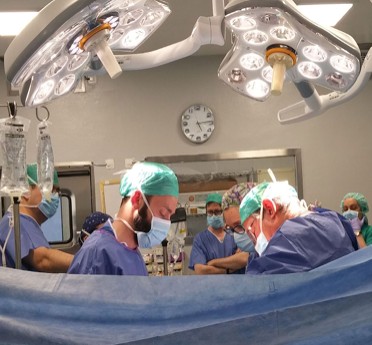
Today, this relationship is complemented by a new reality. Hospital Nostra Senyora de Meritxell now has a trained team of intensivists, doctors and nurses prepared to support families throughout the donation process and to preserve organs and tissues under the appropriate clinical conditions. The clinical protocols have been developed and approved, and the first case has already taken place.
As Dr. Ballesté stated during the symposium: “Conceptually, this is very important because it means you are acquiring a new right, the right to be donors.”
DTI Foundation’s role
DTI Foundation has been working for decades with hospitals, institutions and countries around the world to support the development of sustainable and self-managed donation systems. Its approach is based on adapting knowledge, training and technical expertise to each local context.
In Andorra, DTI Foundation has supported the training of specialists at Hospital Nostra Senyora de Meritxell and provided guidance in the development of the regulatory framework and clinical procedures. This technical and collaborative work is now beginning to show tangible results.
“In Andorra, we have not encountered any obstacles. It is truly a pleasure to work with a small country that is so active and committed,” said Dr. Ballesté.
Donation and healthcare sustainability
Beyond its direct human impact, donation also has an important dimension in terms of healthcare sustainability. A cornea donation can restore sight to a person with visual impairment, while a kidney transplant can allow a patient to stop depending on dialysis.
As Dr. Ballesté recalled: “The annual cost of dialysis is equivalent to the lifetime cost of care for a transplant recipient.” This perspective highlights donation not only as an act of generosity and solidarity, but also as an intelligent and sustainable healthcare investment.
With this progress, Andorra is taking a step that many countries took decades to achieve. The next challenge is cultural: to bring donation into everyday conversations, into families and homes, so that every person can know, discuss and express their wishes.
Read the full article published by Altaveu here.