


WHO advances its Global Strategy on Donation and Transplantation
A new global framework aims to strengthen equitable access, ethical practices and sustainable donation and transplantation systems worldwide
The World Health Organization is advancing the development of its Global Strategy on Donation and Transplantation of Human Cells, Tissues and Organs, an initiative designed to provide a shared global direction for the future development of donation and transplantation systems.
The process originates from World Health Assembly Resolution WHA77.4, adopted in 2024, which called on Member States to increase the availability of transplantation, promote ethical access, strengthen oversight and integrate donation and transplantation into healthcare systems.
In July 2026, WHO released the first draft of the strategy for public review. The consultation, which remained open until 31 August 2026, invited contributions from governments, regulators, healthcare professionals, scientific organisations, researchers, patient groups and other stakeholders. Following the decision of the 79th World Health Assembly to continue the development process, the final strategy is expected to be considered by the 80th World Health Assembly in 2027.
Addressing a persistent global inequality
Transplantation is an established life-saving and life-enhancing therapy for patients with end-stage organ failure and other severe conditions. However, access remains profoundly unequal between and within countries.
The WHO strategy seeks to address these disparities by strengthening national systems rather than viewing transplantation solely as a highly specialised surgical activity.
Its proposed strategic directions include the organisation and financing of national transplantation systems, development of organ, tissue and cell transplantation programmes, establishment of donation programmes, professional capacity building, development of tissue and cell processing capacity, international collaboration and investment in innovation.
This systems-based approach is particularly important. Successful transplantation depends on an entire pathway that begins long before surgery: donor identification, critical care, referral and coordination, consent processes, organ and tissue procurement, preservation, allocation, transplantation, follow-up, quality management and reliable data systems.
From global recommendations to national implementation
The future strategy also places transplantation within the broader objectives of universal health coverage and equitable access to healthcare.
For countries seeking to establish or expand donation and transplantation programmes, this means developing appropriate legislation and governance while simultaneously investing in healthcare professionals, hospital infrastructure, quality systems, registries and public trust.
The initiative therefore represents an important opportunity for the international donation and transplantation community. Its impact will ultimately depend on the capacity of countries to translate a global framework into sustainable programmes adapted to their epidemiological, healthcare, economic and cultural realities.
The consideration of the strategy by the World Health Assembly in 2027 will mark another important step towards a more coordinated global response to one of transplantation medicine's greatest challenges: ensuring that access to these life-saving therapies is not determined by geography.
Sources: World Health Organization, Global Strategy on Donation and Transplantation

DTI Foundation at TTS 2026: connecting global dialogue with stronger systems
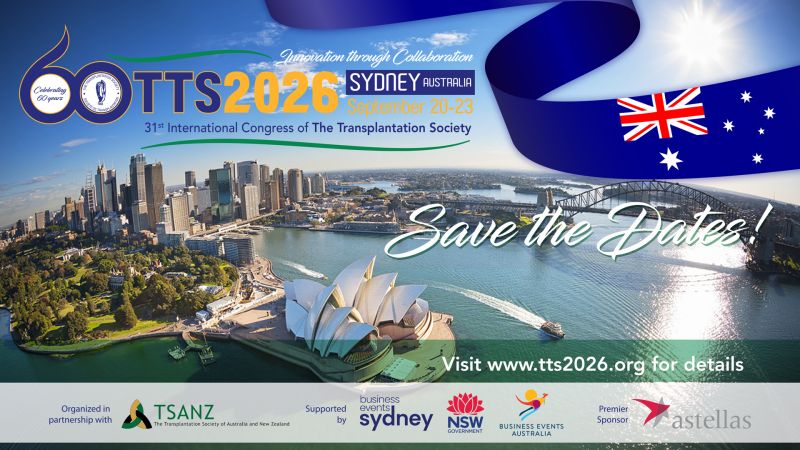
DTI Foundation will take part in the 31st International Congress of The Transplantation Society, taking place in Sydney, Australia, from 20 to 23 September 2026. Under the theme Innovation through Collaboration, the congress is expected to bring together more than 3,000 clinicians, scientists, trainees and allied health professionals from around the world.
DTI's participation will focus on exchanging experience with professionals and institutions working to strengthen donation and transplantation systems, with particular attention to education, capacity-building and sustainable international cooperation.
A programme connected to today's system challenges
The current programme combines scientific advances with practical questions that national organisations and clinical teams are facing now. Topics include controlled and uncontrolled DCD, normothermic regional perfusion, ex vivo machine perfusion, living donor evaluation, regenerative medicine, xenotransplantation, ethics, equity and the organisation of high-volume transplant programmes.
This breadth reflects how transplantation is changing. New technologies may expand the donor pool and improve organ assessment, but implementation also depends on regulation, workforce development, public trust, data and sustainable service models. International meetings are valuable when they allow these dimensions to be discussed together.
Why DTI participates
DTI Foundation works with ministries of health, hospitals, universities, professional societies and partners to strengthen donation and transplantation systems through training, consultancy, research and international cooperation. TTS 2026 offers an opportunity to compare experiences, learn from emerging evidence and identify collaborations that can be translated into locally relevant action.
The DTI delegation is particularly interested in conversations around professional education, capacity-building, donation programme design, DCD implementation, organ procurement, research collaboration and the development of sustainable services in countries where access to transplantation remains limited.
From congress dialogue to practical cooperation
Scientific congresses create value beyond individual sessions. They allow professionals to test ideas with peers, understand how similar challenges are being addressed in different settings and build the trust needed for future projects. For DTI, these relationships often become starting points for tailored training, technical cooperation or knowledge exchange.
If you will be attending TTS 2026 and would like to meet the DTI Foundation team, contact us in advance. We welcome conversations with healthcare institutions, national authorities, scientific societies, researchers, patient organisations and partners committed to improving donation and transplantation.
Related learning: Contact DTI Foundation to arrange a meeting
Sources and further reading
TTS 2026 programme, 23 September
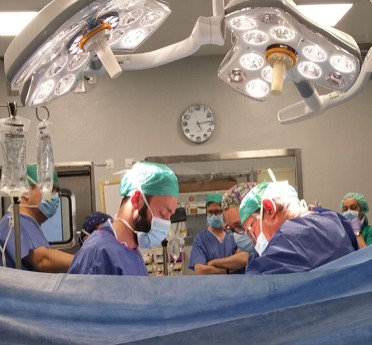
Evidence, ethics and trust: four conversations shaping transplantation practice
Progress in transplantation depends on more than technical innovation. New evidence must improve patient outcomes, protect donors, support fair access and remain understandable to the public. Recent episodes of The Transplantation Society's Behind the Paper series illustrate how these responsibilities intersect.
Clarifying DCD and building trust
Gabriel Gondolesi, Martí Manyalich and Steven Potter discussed their article on clarifying the donation after circulatory death process, addressing misunderstandings and correcting misinformation through education. The topic is especially timely as more countries introduce or expand DCD.
Public communication must be accurate without becoming defensive or oversimplified. It should explain the independence of end-of-life decisions, the criteria for determining death, the purpose of preservation techniques, and the safeguards that govern allocation and recovery. When professionals use inconsistent language, uncertainty can be amplified. Clear education is therefore part of programme quality, not only a communications task.
Sequential NRP and NMP in DCD liver transplantation
A conversation with Rohit Gaurav examined a retrospective single-centre experience using in situ normothermic regional perfusion followed by ex situ normothermic machine perfusion in controlled DCD liver transplantation. Sequential approaches may create additional opportunities to assess, preserve or recondition organs, but they also require careful interpretation of viability signals, logistics, resources and outcomes.
The value of this work lies not in treating one experience as a universal protocol, but in understanding how layered technologies can change clinical decision-making. Programmes considering adoption need transparent criteria, trained teams, audit and a clear plan for evaluating whether the added complexity produces meaningful benefit.
Living donor candidates and anti-obesity interventions
Babak J. Orandi discussed the ethical and policy implications of anti-obesity interventions for living organ donor candidates. The question is not simply whether weight loss may make donation possible. It also concerns voluntariness, access to treatment, cost, timing, long-term follow-up and the risk that a candidate may feel pressured to undergo an intervention for the benefit of another person.
Living donor programmes must protect the donor as an individual patient. Any pathway involving medication, surgery or intensive weight management should be based on independent counselling, realistic benefit-risk assessment and equitable access. Eligibility policies should avoid turning new treatment options into new forms of obligation.
Transplantation and survival in a South African PD-first programme
Robert Freercks and Kathryn Manning discussed evidence that transplantation improves patient survival within a peritoneal-dialysis-first programme in South Africa. The setting matters. In resource-constrained systems, dialysis modality, transplant access and service capacity are linked, and comparisons should be understood within the actual pathways available to patients.
The study reinforces a broader systems lesson: the benefit of transplantation is realised only when patients can be identified, evaluated, listed and transplanted within a functioning pathway. Improving outcomes therefore requires both clinical excellence and service design.
A common lesson
These conversations address different problems, but the underlying principle is consistent: evidence and ethics cannot be separated. Better technology without trustworthy governance can undermine confidence; good intentions without data can perpetuate ineffective practice. Sustainable systems need professionals who can interpret evidence, communicate clearly and make decisions within ethical and organisational frameworks.
DTI Foundation's TPM Advanced International Training Course uses case discussion, simulation and multidisciplinary learning to help professionals connect these dimensions in practice. The goal is not only to know what is new, but to decide when, how and under which safeguards it should be implemented.
Related learning: Explore TPM Advanced 2026
Sources and further reading
TTS: Clarifying the DCD process
TTS: Sequential NRP and NMP in DCD liver transplantation
TTS: Anti-obesity interventions in living organ donor candidates
TTS: Transplantation improves survival in a PD-first programme
WHO's draft global strategy: a shared agenda for equitable transplantation
The World Health Organization has opened the first draft global strategy on the donation and transplantation of human cells, tissues and organs for public review. Stakeholders can submit feedback until 31 August 2026 through the official WHO process.
The consultation matters because transplantation remains highly unequal. For many patients, access depends on where they live, whether their health system can identify and refer them, and whether the necessary donation, processing, allocation and clinical services exist. The draft seeks to give Member States and partners a shared direction for addressing these gaps.
From a resolution to a global strategy
The work follows World Health Assembly resolution WHA77.4, adopted in 2024, which called for stronger availability, ethical access and oversight across human cell, tissue and organ transplantation. WHO developed the draft through literature review, consultation with relevant organisations and collaborating centres, and input from expert advisory groups.
The timeline has also evolved. The strategy is now expected to be submitted for consideration by the 80th World Health Assembly in 2027, through the WHO Executive Board at its 160th session. The current review is therefore a practical opportunity to improve the document before it enters the final intergovernmental process.
Three objectives and six strategic directions
The draft is organised around three broad objectives: increasing availability and access; strengthening ethical, legislative, policy and regulatory frameworks; and improving the quality, safety and effectiveness of transplantation outcomes.
The proposed strategic directions cover governance, access to transplantation, national donation programmes, cell and tissue processing, international access and cooperation, and investment in technology, research and innovation. This breadth is important. A transplant service cannot be strengthened by focusing on surgery alone. It depends on the wider health system, from donor identification and family care to laboratories, tissue establishments, data systems, financing and long-term recipient follow-up.
What useful consultation feedback can add
The strongest feedback will test feasibility across different settings. It can identify where responsibilities are unclear, where proposed actions require more realistic sequencing, and how progress should be measured. It can also ensure that tissues and cells receive adequate attention alongside solid organs, particularly in relation to processing capacity, vigilance, quality systems and sustainable regional models.
Workforce development deserves particular attention. Countries cannot implement legal frameworks, clinical pathways or quality systems without professionals who understand them and can adapt them locally. Capacity-building should therefore be treated as an operational investment, not as a final educational activity added after a programme has been designed.
Why the DTI community should engage
DTI Foundation encourages policy-makers, regulators, clinicians, tissue and cell professionals, researchers, patient representatives, scientific societies and international partners to review the draft. Contributions from countries at different stages of development are essential if the strategy is to be both ambitious and usable.
DTI's International Master in Donation and Transplantation of Organs, Tissues and Cells offers a cross-disciplinary pathway for professionals who need to connect clinical practice with organisation, quality, ethics and system development. That same integrated perspective will be critical to turning a global strategy into national and institutional action.
Related learning: Explore the International Master
Sources
WHO: Invitation to public review
WHO: Draft global strategy, version 1
WHO Member States information session, 21 July 2026
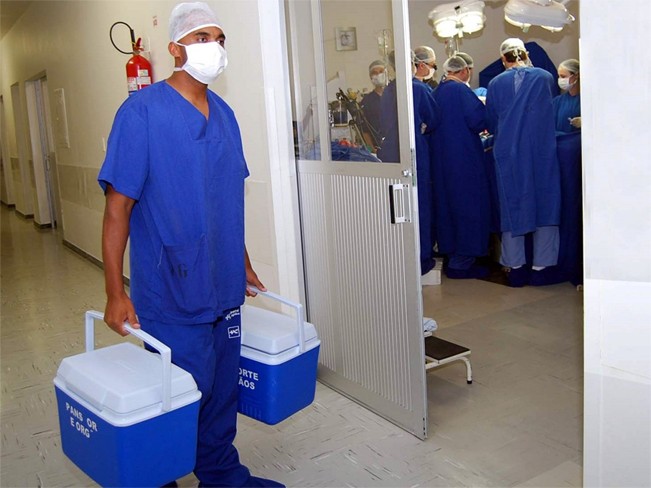
Portugal prepares to implement controlled DCD: what the pilot must get right
Portugal has authorised controlled donation after circulatory death, or controlled DCD, under a framework published on 21 July 2026. The measure is due to take effect 30 days after publication and establishes a pilot lasting between six months and one year in four hospitals: Hospital de São João in Porto, Unidade Local de Saúde de Coimbra, Hospital de Santa Maria and Hospital de São José in Lisbon.
The significance of the change is not only numerical. Controlled DCD introduces a new clinical pathway for patients in intensive care for whom the decision to withdraw life-sustaining treatment has been made because continued treatment no longer offers a meaningful clinical benefit. When death is subsequently confirmed according to the applicable criteria, donation may be considered under a clearly governed process.
What changes, and what must remain separate
A central safeguard is the separation between end-of-life decision-making and donation. The decision to withdraw treatment must be reached independently, on clinical grounds, before donation is explored. Donation teams must then follow clear rules for donor identification, family communication, death determination, organ preservation, allocation and recovery.
This separation protects patients, families and professionals. It also protects public trust. DCD programmes can only be sustainable when the sequence of decisions is transparent, responsibilities are explicit and documentation allows the programme to be reviewed.
From regulation to implementation
Publishing a framework is the beginning, not the end, of implementation. The four pilot hospitals will need aligned clinical protocols, trained multidisciplinary teams and dependable operational support. Intensive care, transplant coordination, surgery, anaesthesia, perfusion, laboratories, transport and allocation services must work within the same time-critical pathway.
Simulation and case-based rehearsal are particularly valuable before a programme starts. They reveal practical barriers that may be invisible on paper, such as who activates the pathway, how the family approach is timed, where cannulation takes place, how normothermic regional perfusion is organised, and how unexpected delays are escalated.
What the pilot should measure
Early evaluation should go beyond the number of donors or transplants. Useful indicators include pathway activation, reasons for non-progression, time intervals, protocol deviations, organ utilisation, recipient outcomes, family experience, staff experience and equity of access. Regular multidisciplinary review can then turn these data into safer and more consistent practice.
Public reporting has cited a potential increase of 50 to 100 donors per year if controlled DCD is implemented more widely. This remains a projection, not an outcome of the pilot. Evaluation should determine what is achievable while protecting quality, safety, families and clinical teams.
DTI Foundation perspective
DTI Foundation welcomes Portugal's progress and recognises the work of the professionals and institutions involved. International experience shows that controlled DCD can become a safe and effective part of deceased donation, but only when clinical rigour, ethical safeguards, communication and operational readiness advance together.
For teams preparing or strengthening DCD pathways, DTI's Donation After Circulatory Death Advanced International Training Course covers the complete pathway, including withdrawal of life-sustaining treatment, death determination, cannulation, normothermic regional perfusion, organ assessment, recovery and ex vivo preservation.
Related learning: Explore DTI's DCD Advanced International Training Course
Sources and further reading
Portuguese National Health Service: Doação e colheita de órgãos e tecidos
DTI Foundation: 9th International DCD Workshop
DTI Foundation at ESPGHAN 2026: Improving Access to Paediatric Liver Transplantation Worldwide

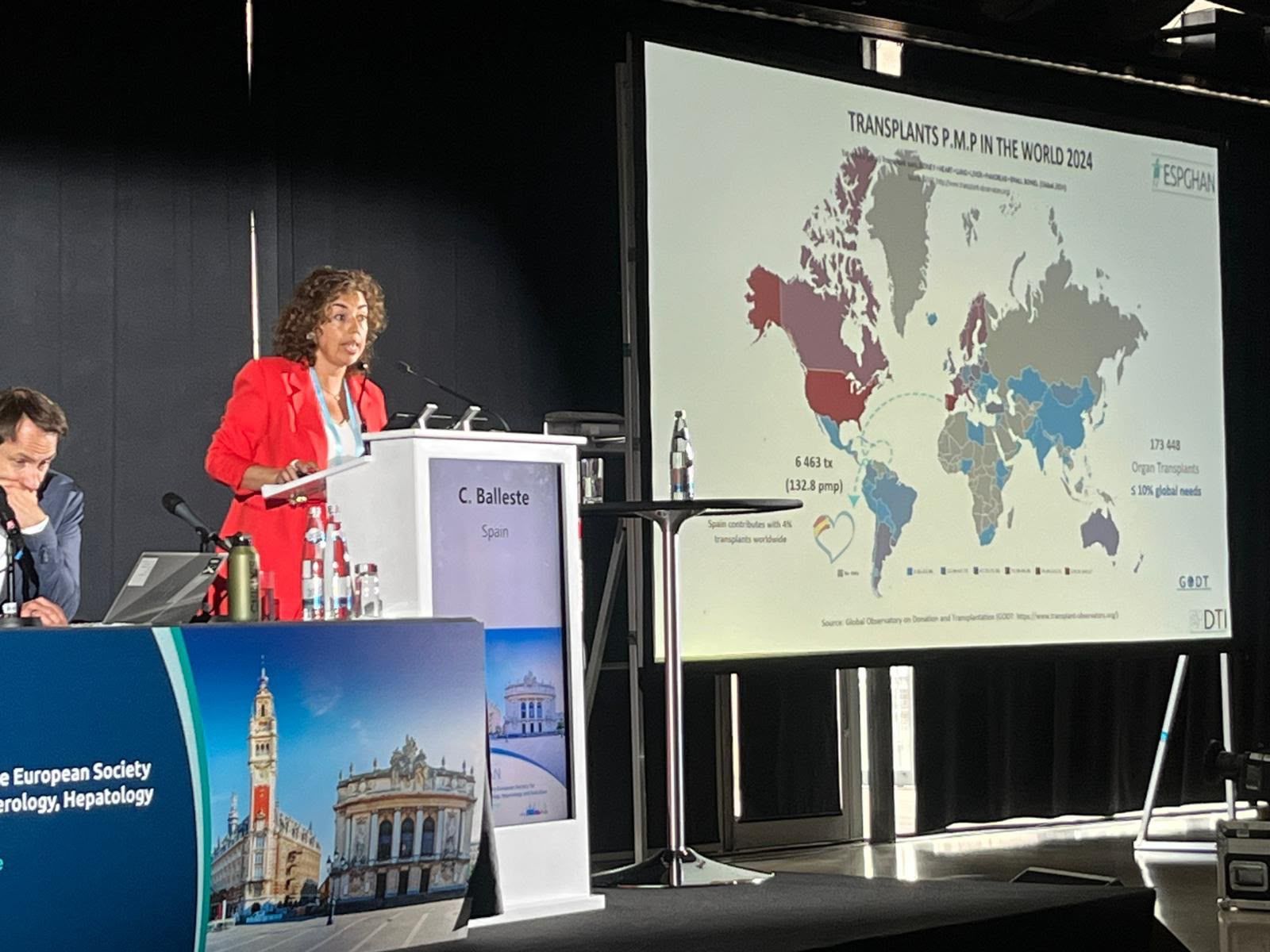
DTI Foundation participated this week in the 58th ESPGHAN Annual Meeting 2026 in Lille, France, one of the leading international congresses in paediatric gastroenterology, hepatology and nutrition.
Our Medical Director, Dr. Chloë Ballesté Delpierre, delivered a presentation focused on a major global health challenge: improving access to paediatric liver transplantation worldwide.
The global challenge of paediatric liver transplantation
Liver transplantation in children offers a life-saving opportunity for paediatric patients with severe liver disease. However, access to this treatment remains deeply unequal across countries and regions.
During the presentation, the scale of this gap was clearly highlighted: globally, the number of liver transplants performed still covers less than 10% of estimated global needs.
This figure reflects the urgent need to strengthen organ donation systems, improve donor identification, consolidate efficient clinical pathways, and train the healthcare professionals who make transplantation possible.
Spain’s role in organ donation and transplantation
Spain contributes approximately 4% of transplants performed worldwide, a particularly significant figure considering its population size. This achievement reflects the strength of the Spanish organ donation and transplantation model, based on hospital coordination, specialized training, healthcare system organization and the commitment of healthcare professionals.
The Spanish model shows that improving access to transplantation does not depend only on technology. It also requires planning, professional capacity-building and the development of effective organ donation systems.
Training and international cooperation to save more lives
At DTI Foundation, we work to help close this global gap through training in organ donation and transplantation, international consultancy and knowledge transfer.
Our goal is to strengthen the capacities of hospitals, healthcare professionals and institutions to develop sustainable donation and transplantation programmes adapted to the needs of each country.
Improving access to paediatric liver transplantation requires trained professionals, prepared hospitals, efficient donation systems, clear clinical protocols and health policies designed to ensure that more patients can benefit from transplantation.
DTI Foundation at ESPGHAN 2026
DTI Foundation’s participation at ESPGHAN 2026 reinforces our commitment to improving organ donation and transplantation systems worldwide, particularly in settings where access to transplantation remains limited.
Every trained professional, every strengthened programme and every supported country represents one more step toward a shared goal: enabling more children to access liver transplantation and a new opportunity for life.

IRODaT: Global Data to Advance Organ Donation and Transplantation (2025 preliminary statistics)

Every year, thousands of lives are saved thanks to organ donation and transplantation. Behind every life-saving procedure, there is one essential element: access to reliable, comprehensive, and internationally comparable data.
In this context, IRODaT — the International Registry on Organ Donation and Transplantation — plays a key role as a leading global resource for tracking and analyzing organ donation and transplantation activity worldwide.
IRODaT collects, compiles, and shares key statistics from countries across different regions, promoting transparency, international collaboration, and continuous improvement in this vital field. These data help identify trends, compare results, detect areas for improvement, and support evidence-based decision-making.
In addition, more than 100 researchers rely on IRODaT data every year to conduct scientific studies, foster innovation, and contribute to improved health outcomes.
For DTI Foundation, IRODaT represents a strategic platform for global knowledge, fully aligned with our mission to improve organ donation and transplantation worldwide.
With the publication of the 2025 preliminary statistics, IRODaT offers a new opportunity to analyze the current international landscape, understand the progress achieved, and continue working together toward a future with greater access to transplantation for patients around the world.
Please see the attached report to explore the 2025 preliminary statistics: 2026_International_Registry_in_Organ_Donation_and_Transplantation
Learn more: www.irodat.org

DTI Foundation celebrates the Closing Ceremony of its 2025-2026 Master’s Programmes at the University of Barcelona


Last Friday, DTI Foundation celebrated the Closing Ceremony of the 2025-2026 edition of the International Master in Donation and Transplantation of Organs, Tissues and Cells and the Master in Applied Clinical Research in Organ, Tissue and Cell Donation and Transplantation.
The ceremony took place at the Aula Magna of the School of Medicine and Health Sciences, Universitat de Barcelona, bringing together students, professors, academic coordinators and members of the DTI Foundation team to mark the completion of an important academic and professional journey.
The event opened with a welcome by Dr. Ricard Valero, Academic Director and Coordinator of the master programme at the Universitat de Barcelona and DTI Foundation. This was followed by an online lecture by Ms. Marge Martjak, Tissue Bank Manager at East Tallinn Central Hospital, entitled “What if your thesis became your life’s work? A story from Estonia”. Her contribution offered an inspiring reflection on how academic training, research and professional commitment can become the foundation for long-term impact.
The programme continued with a lecture by Dr. Martí Manyalich, President of DTI Foundation, entitled “Organ Donation: today and tomorrow”, which invited participants to reflect on the current challenges and future opportunities in donation and transplantation.
The closing remarks were delivered by Dr. Chloë Ballesté, Medical Director at DTI Foundation and Academic Coordinator of the master programme at the Universitat de Barcelona. The ceremony concluded with the presentation of certificates and next steps by Ms. Maite Pujol, Master’s Programme Coordinator, followed by the official group picture.
Beyond the formal closing of the academic year, the ceremony represented a celebration of commitment, international collaboration and shared purpose. Throughout the programme, students from different countries and healthcare systems had the opportunity to learn from experts, exchange experiences, discuss common challenges and build a strong international professional network.
This network is one of the most valuable outcomes of the master’s programmes. It connects professionals who share the same mission and who will continue collaborating beyond the classroom, beyond Barcelona and beyond the duration of the programme.
As students return to their countries, they bring with them more than academic knowledge. They carry practical tools, new perspectives, professional connections and the motivation to apply what they have learned in their own healthcare environments. Their future work will contribute to improving organ, tissue and cell donation and transplantation practices, strengthening health systems and creating a real impact for patients and families.
DTI Foundation congratulates all students of the 2025-2026 edition for their dedication, professionalism and commitment. Their journey reflects the transformative power of education and the importance of building global communities of practice in the field of donation and transplantation.
Through education, consultancy, research and capacity building, DTI Foundation remains committed to supporting professionals and institutions worldwide in the development of more effective, ethical and sustainable donation and transplantation systems.
At the heart of this commitment lies one clear purpose: to help save more lives around the world.
Bridging knowledge and practice at Hospital Clínic de Barcelona


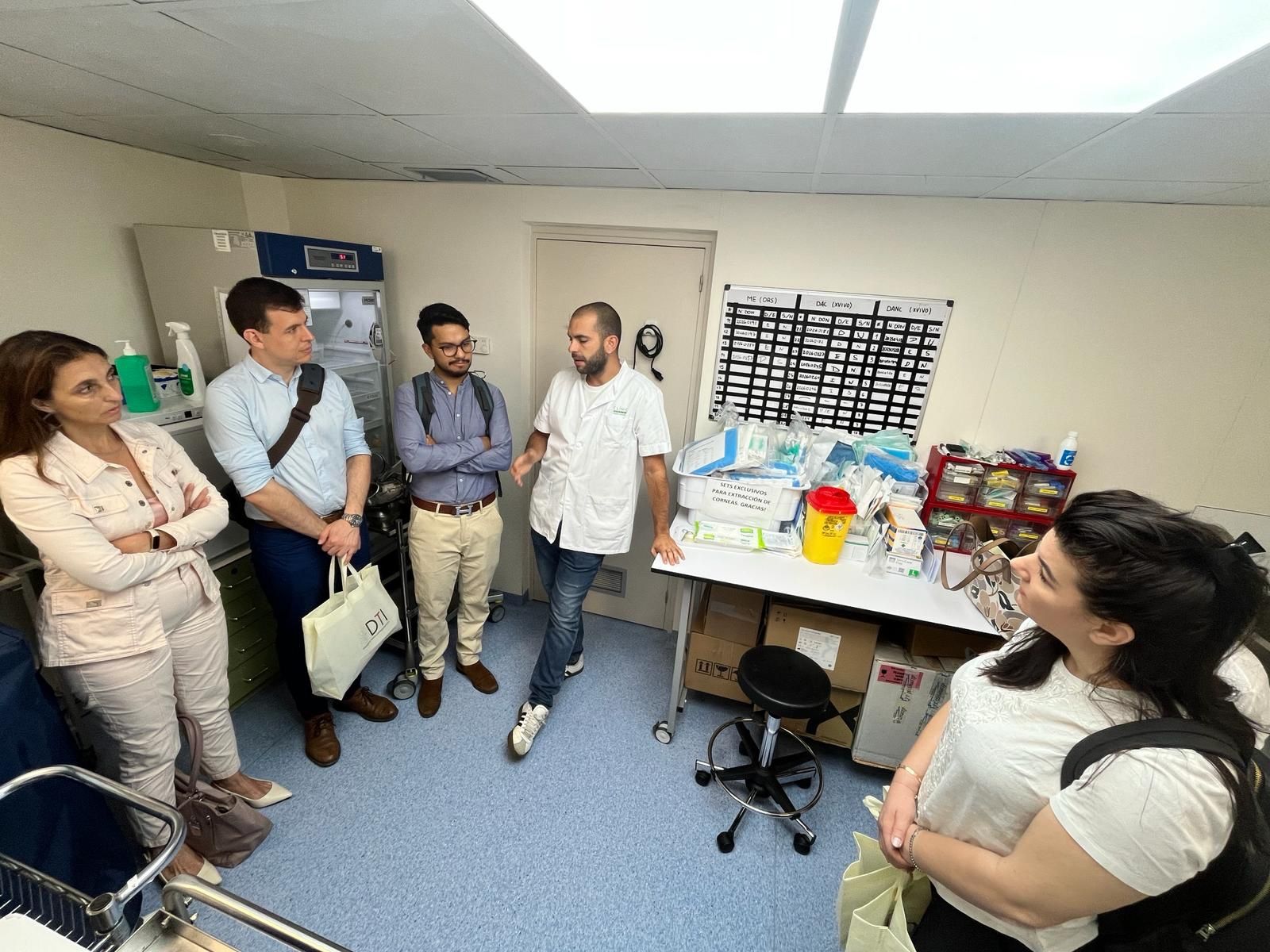
Students from the DTI Foundation Master’s Program, delivered in collaboration with the Universitat de Barcelona, visited Hospital Clínic de Barcelona to experience first-hand how excellence in healthcare, innovation and transplantation are translated into daily clinical practice.
The visit allowed participants to gain insight into the real-world functioning of a leading university hospital, observing how the knowledge acquired throughout the program is applied in complex and highly specialized clinical settings. Through immersive experiences such as this one, students are able to connect academic learning with the practical challenges of healthcare delivery, clinical management and the organization of advanced donation and transplantation programs.
During the visit, the group had the opportunity to interact with expert professionals and explore key aspects related to hospital organization, multidisciplinary team coordination and the implementation of care models focused on excellence. These experiences are an essential part of DTI Foundation’s educational approach, which combines theoretical knowledge, practical exposure and direct learning from professionals with extensive international experience.
Throughout the day, the students were accompanied by DTI Foundation experts Maria Barros, Joaquim Albiol Esquer, Maite Pujol and Héctor Velasco, whose guidance and expertise enriched the learning experience and encouraged reflection on the current challenges faced by healthcare systems and transplantation programs.
At DTI Foundation, we are proud to contribute to the development of future leaders who will help advance healthcare systems and donation and transplantation programs in diverse international contexts.
The visit to Hospital Clínic de Barcelona reinforces the program’s commitment to practical, global and impact-oriented education, preparing participants to transform knowledge into action and contribute to the development of stronger, more efficient and people-centred healthcare services.

Sport, solidarity and commitment: Diagonal Asset Management supports DTI Foundation through a charity padel tournament


Diagonal Asset Management held the first edition of its Charity Padel Tournament, an initiative that brought together professionals, clients, partners and athletes around a shared cause: contributing to the improvement of organ donation and transplantation.
The event combined sport, networking and social commitment, showing how collaboration between companies, professionals and organizations can create a positive impact beyond their everyday activities. A total of 40 padel players took part in the tournament, with representatives from the financial, healthcare and sports sectors, as well as partners from international asset management firms.
As part of the event, Diagonal Asset Management presented DTI Foundation with a €3,000 donation to support training, research and international cooperation projects in the field of organ donation and transplantation. This contribution reinforces the shared commitment of both organizations to a cause that has a direct impact on the lives of many people and families.
At DTI Foundation, we would like to express our sincere gratitude to Diagonal Asset Management, Marc Ciria i Roig and everyone who took part and made this first edition possible. Initiatives like this help raise awareness of the importance of organ donation and the essential role of advocacy, cooperation and social responsibility in building stronger and more supportive healthcare systems.
Diagonal Asset Management’s Charity Padel Tournament is an example of how sport can become a meeting point for solidarity, creating spaces for participation, commitment and social awareness.
Thank you to everyone who joined this initiative, both on and off the court. We hope this first edition marks the beginning of a long-lasting collaboration and new opportunities to continue creating impact together.