


Home DTI’S NEWS Courses TEODOR, the most recent European project on training in organ donation and transplantation
TEODOR, the most recent European project on training in organ donation and transplantation
By Francesc Marti
2 min.
4
0

 2 min.
 4
 0

Share and summarise with AI:
TEODOR: Transeuropean Educational initiative in Organ Donation and Transplantation is an Erasmus+ project funded by the European Commission under the program KA2 – Strategic partnerships in the field of education and training.
This project will be developed between 2020 and 2023, aiming at designing and piloting a new and innovative training programme on organ donation and transplantation for physicians & relevant healthcare personnel from Latvia, Czech Republic, and Lithuania. The training will be implemented with the support of Spain and Sweden, given their expertise in organ donation and transplantation.
Partners:
- Pauls Stradins Clinical University Hospital, Latvia (Leader)
- DTI DONATION & TRANSPLANTATION INSTITUTE, Spain
- UNIVERSITAT DE BARCELONA, Spain
- SKANE LANS LANDSTING, Sweden
- Fakultní nemocnice Královské Vinohrady, Czech Republic
- National Transplant Bureau under the Ministry of Health, Lithuania
- University of Latvia, Latvia
TEODOR will address Key Professionals from:
- For organ and tissue donation, the Key Donation Professionals (KDPs) will include healthcare personnel from Intensive Care Units, Emergency Departments, Neuro-critical wards, organ donor/transplant coordinators
- For organ transplantation, the Key Transplantation Professionals (KTPs) Immunologists, transplant surgeons, internal medicine specialists managing the transplant patient before and after the surgical procedure such as nephrologists, hepatologists, cardiologists, pneumonologists, etc.
The project will last 36 months and will implement the following activities:
- Data analysis before and after TEODOR educational intervention, with the aim to evaluate the programme impact on learners’ knowledge and their clinical performance after the training implementation.
- Design and implement a Train the Trainers (TxT) programme targeting all the future trainers to be involved in the TEODOR training programme
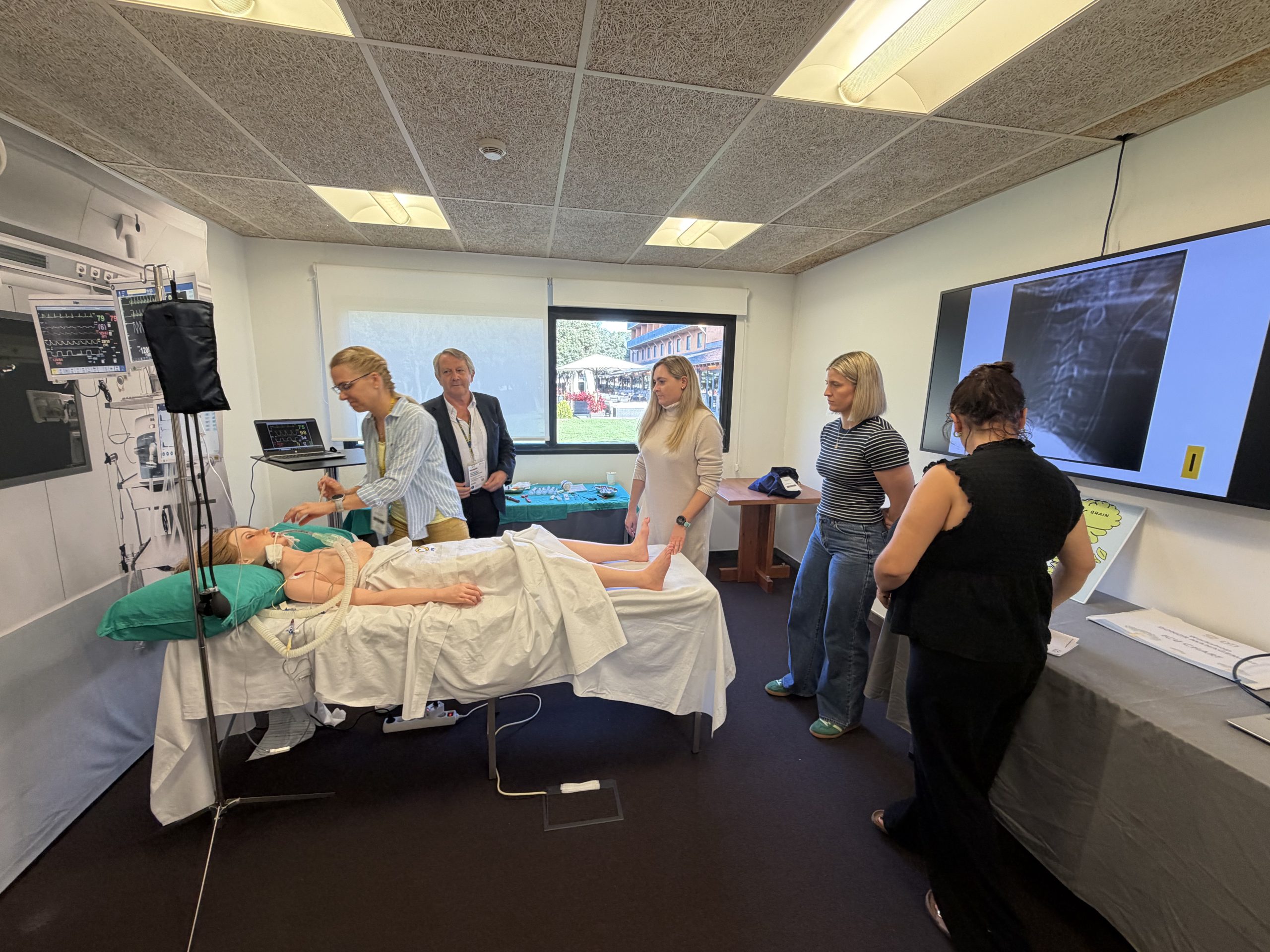
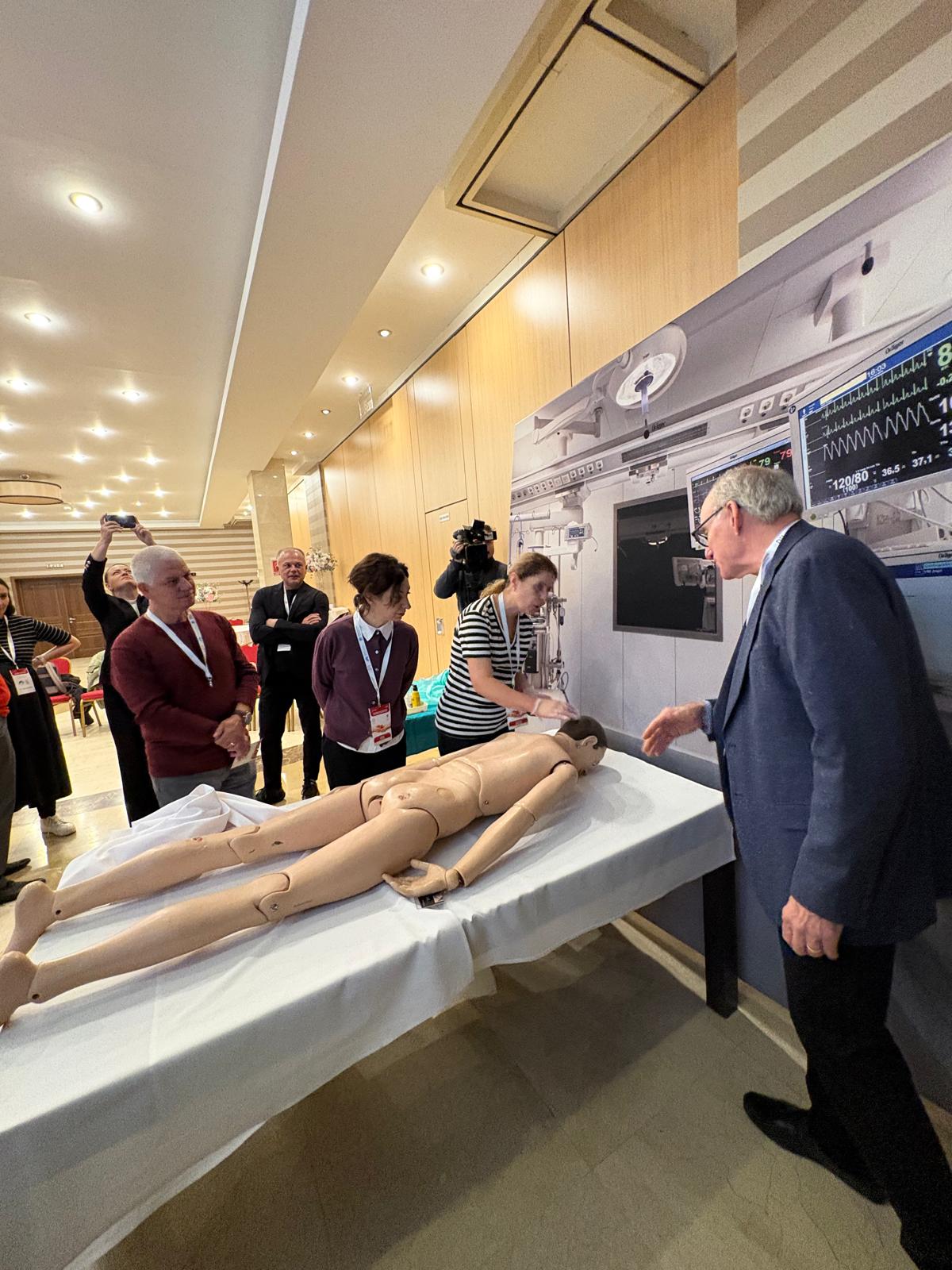
- To design and implement the TEODOR modular multilevel blended training. Two modules for Donation Professionals and Transplantation Professionals will be designed following a multi-level pattern:
- LEVEL 1. BASIC. This first level aims to engage and motivate the TEODOR learners
- LEVEL 2. INTERMEDIATE. The current level will boost learning
- LEVEL 3. ADVANCED. The third level aims at reinforcing what has been learnt and facilitate its transfer to the clinical setting.
More information coming soon!

Disclaimer: The European Commission’s support for the production of this publication does not constitute an endorsement of the contents, which reflect the views only of the authors, and the Commission cannot be held responsible for any use which may be made of the information contained therein.
Share this article if you found it useful


 Evidence-based
Related articles
- From knowledge to practice: the 31st TPM Advanced Course concludes By Francesc Marti
- DTI and Romania’s National Transplant Agency organise a TPM course on tissue donation By Francesc Marti
- DTI takes part in European donation meetings in Cyprus By Francesc Marti
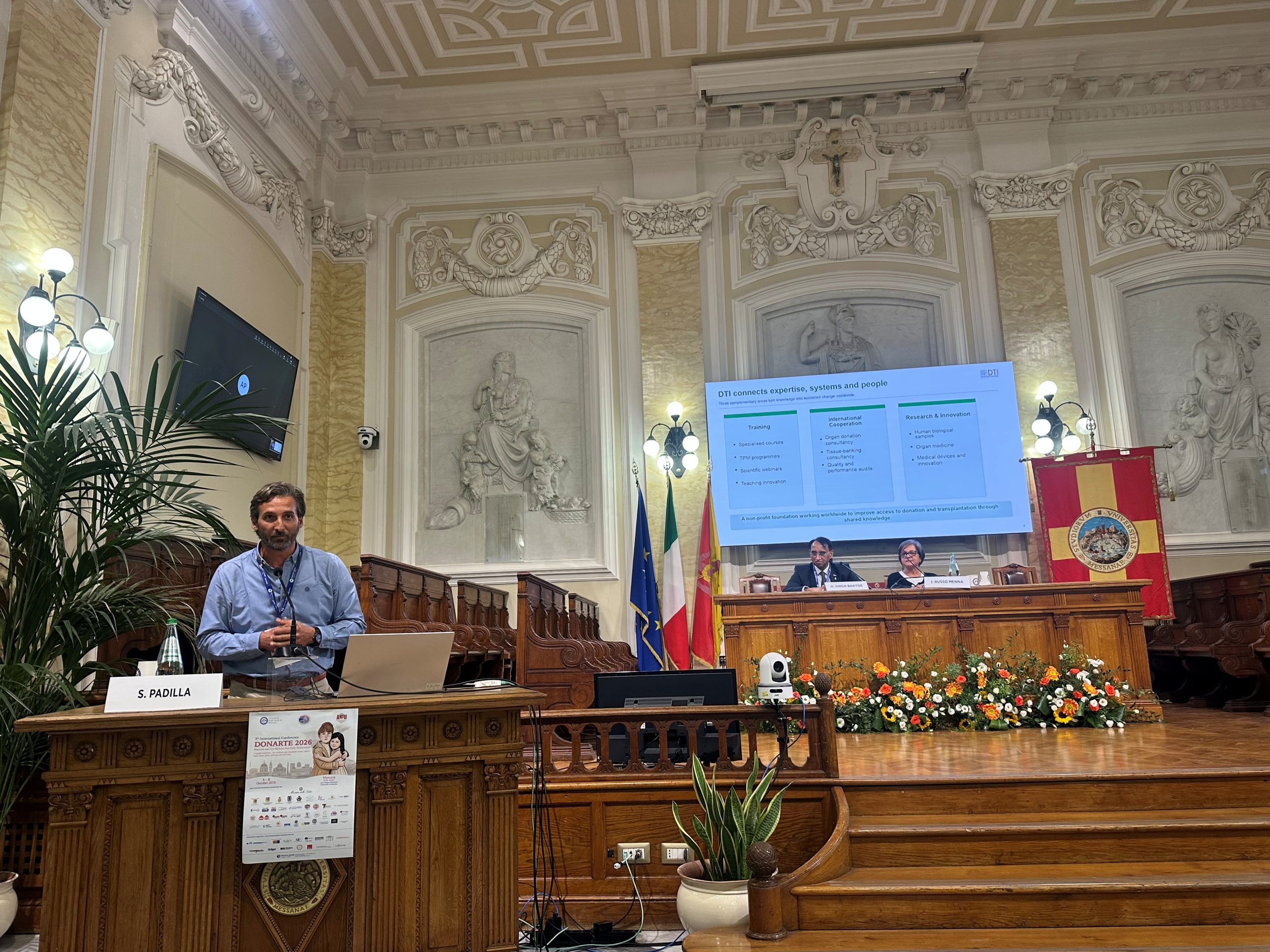
- DTI presents its work at DONARTE 2026 By Francesc Marti
Leave your comment here