Objectives
- Provide a global and detailed overview of the organ donation and transplantation process, including medical, ethical, legal, and organizational aspects.
- Train coordinators in specific technical skills and soft skills such as communication, leadership, and team management.
- Promote the exchange of knowledge and experiences among attendees and enhance the development of international networks.
Adressed to
- Healthcare professionals involved in the process of obtaining organs and tissues for transplantation, especially those working in clinical units where active donor detection can be carried out: intensive care units, resuscitation, and emergency departments.
- Specialists, MIR (Resident Medical Interns) students, and nurses in intensive care units, anesthesiology, and emergency services.
- Health professionals starting their roles in transplant coordination and/or in support units for the procurement of organs, tissues, and cells for transplantation.
- Active transplant coordinators who wish to update and expand their knowledge and reinforce their skills.
- Healthcare executives responsible for managing transplant programs.
Contents
The course covers the fundamental aspects of organ donation and transplantation enabling participants to acquire a wide knowledge and skills on the following topics:
- Detection, Identification, and Selection of Donors
- Detection and identification of donors
- Clinical evaluation of organ and tissue donors
- Viability criteria for organs
- Organ Donor in Brain Death
- Diagnosis of death under neurological criteria (brain death)
- Donor management
- Donation after Cardiac Death
- Controlled Donation after Cardiac Death (cDCD)
- Uncontrolled Donation after Cardiac Death (uDCD)
- Family and Social Relations
- Family interview for donation
- Bioethics and legislation in donation and transplantation
- End of life and donation
- Organization and Management of Donation and Transplantation
- Ex-vivo organ perfusion
- Organ allocation
- Management of tissue donation
- Living kidney donation
Methodology
- Virtual classroom with access to the TPM Manual for theoretical conceptualization prior to the course.
- Lectures in webinar format, dedicated to reviewing concepts and answering questions, as well as fostering critical thinking and decision-making.
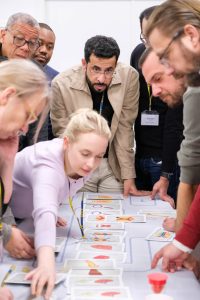
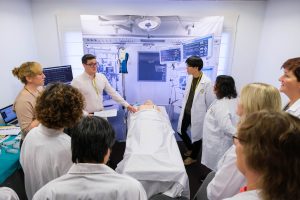
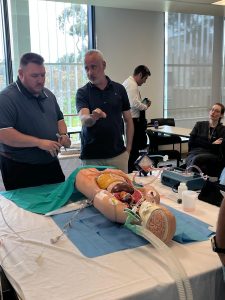
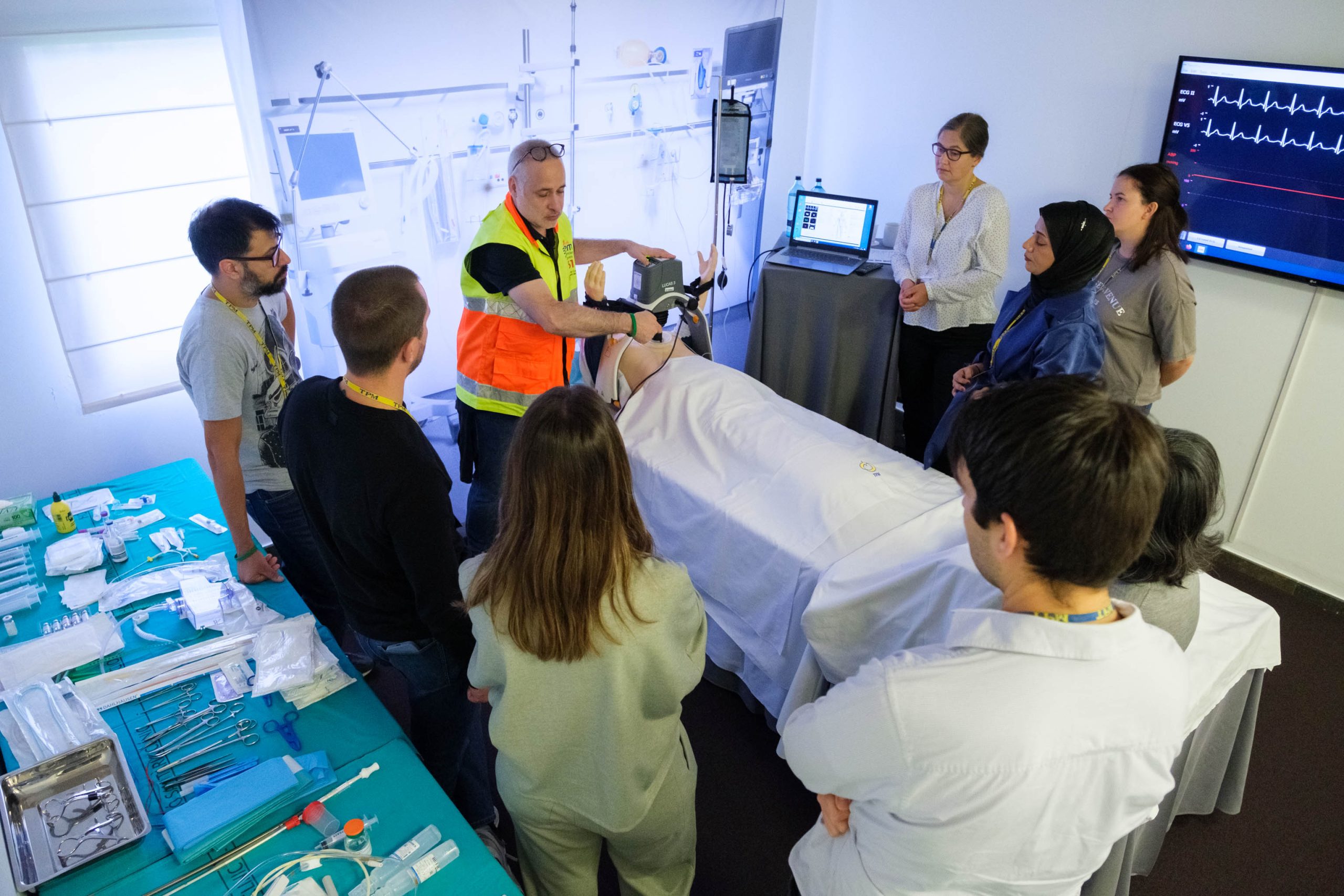
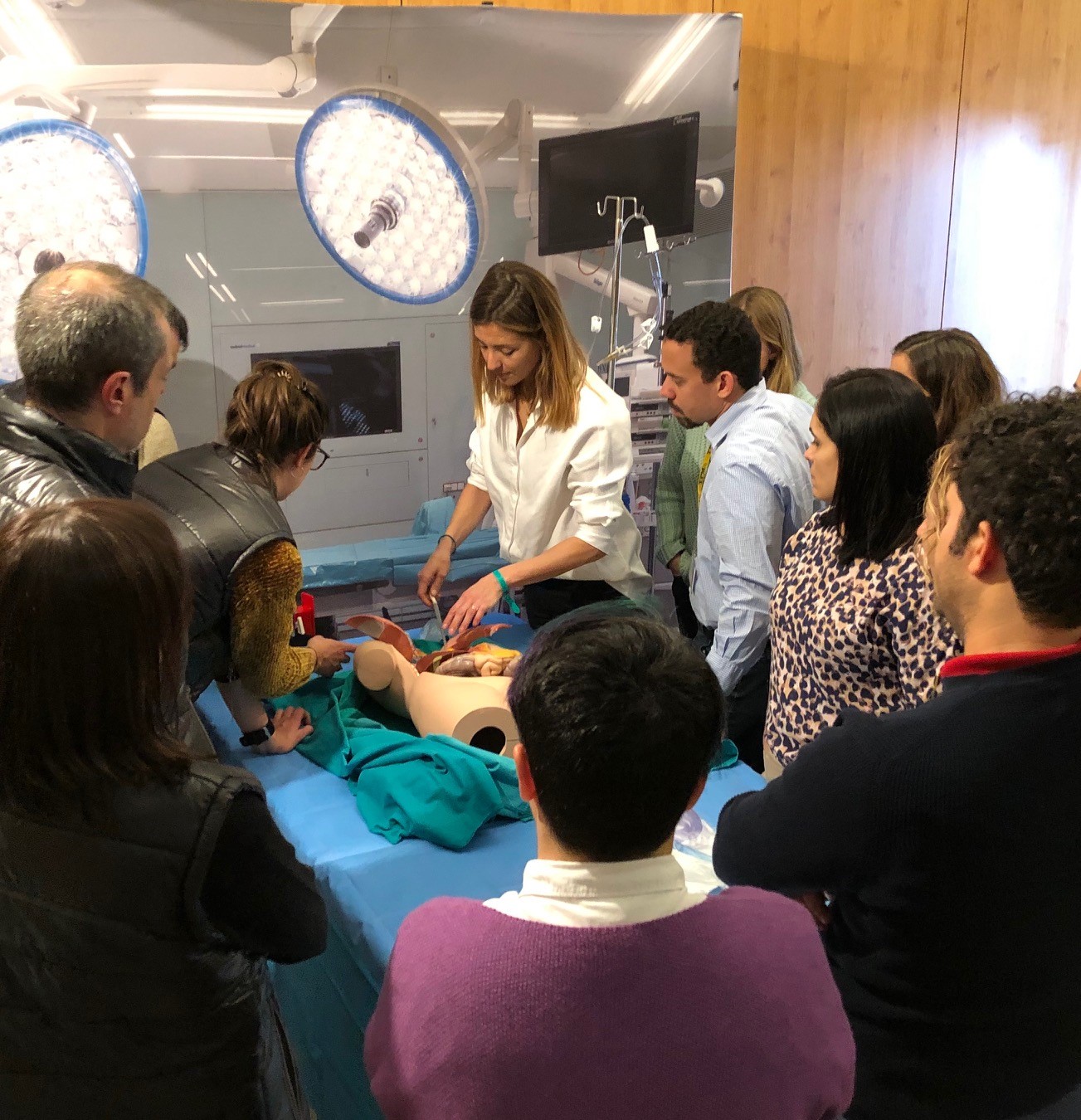
- Clinical simulations based on problem-solving, role-playing, and case studies.
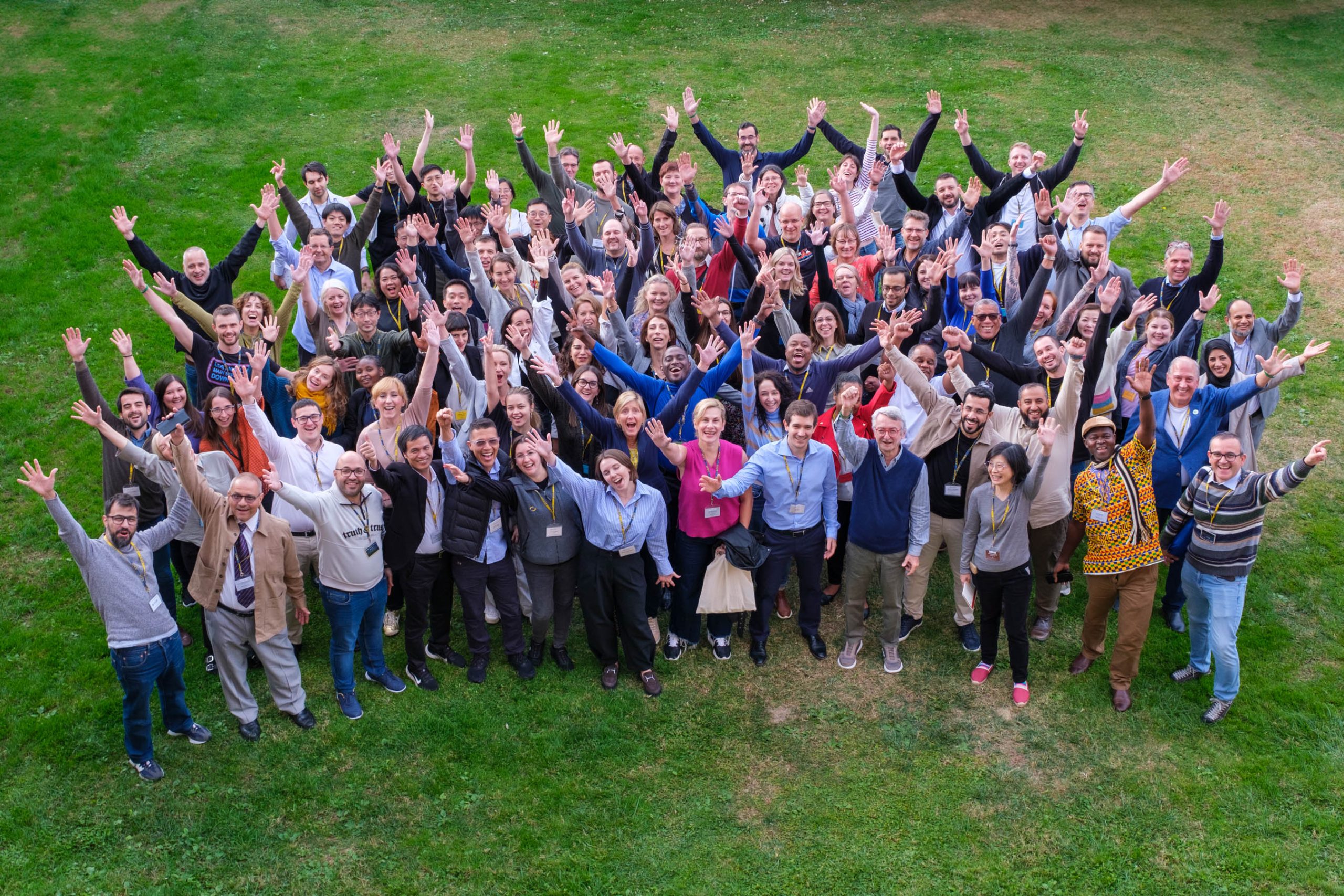
- Small and heterogeneous groups to promote interaction, participation, and networking among themselves and with the faculty.
Faculty
The program is designed with the advice of expert professionals in the field of donation and transplantation and includes the participation of national and international professors with academic experience, capable of transmitting their knowledge and expertise.
Academic qualification
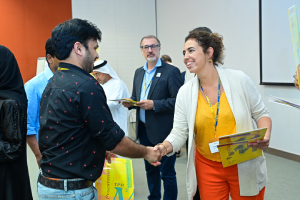
A diploma from TPM-DTI Foundation will be awarded after the successful completion of the course.
Requested accreditation from the European Accreditation Council for Continuing Medical Education (EACCME®).